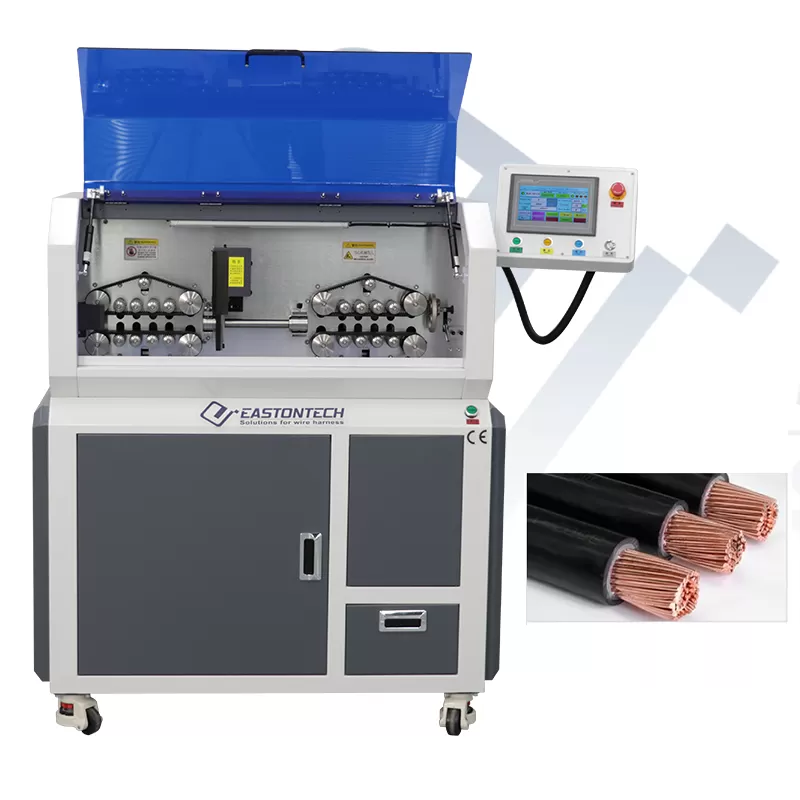
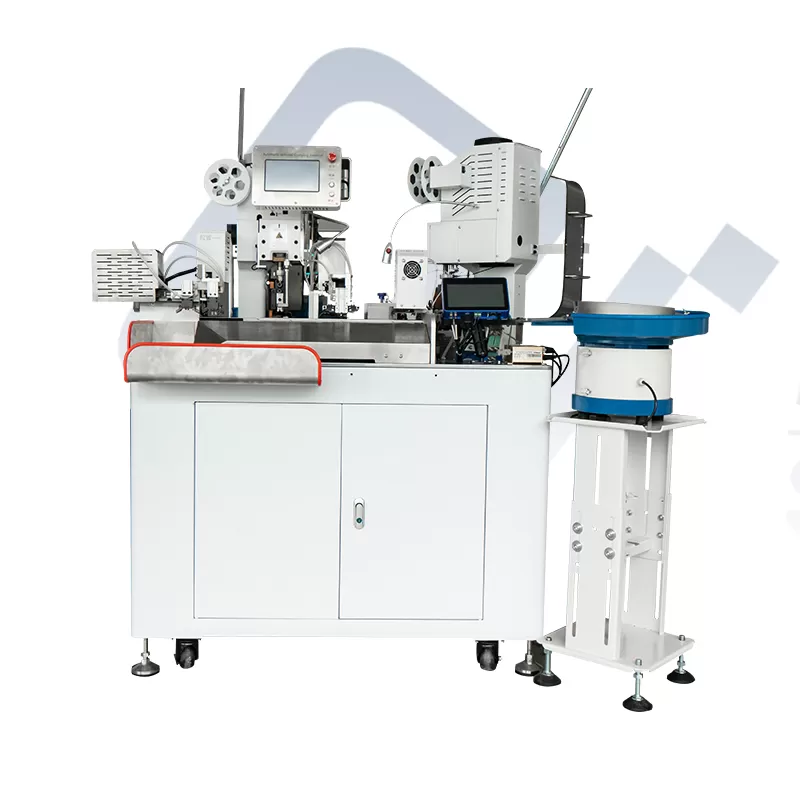
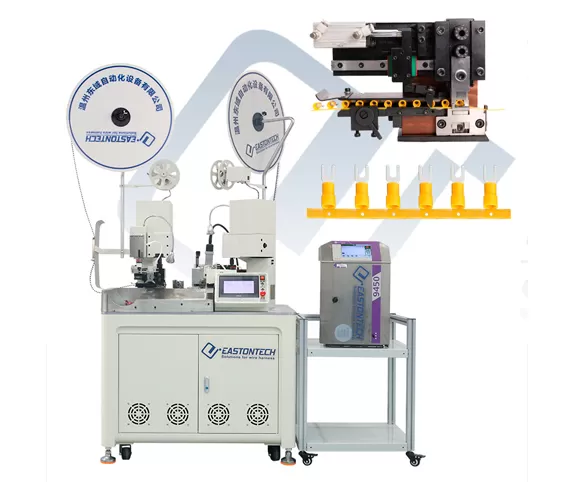
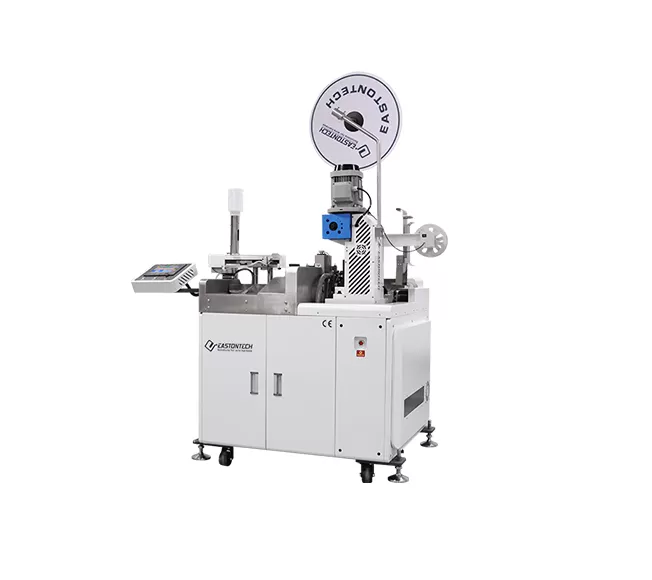
Wire harness routing in machinery is an essential aspect of design and function that influences the overall efficiency, reliability, and safety of various systems. Understanding the principles of routing, the use of software tools for design, overcoming common challenges, and implementing efficiency improvements can enhance the performance of machines while extending their lifespan. Whether you're working on a wire harness manufacturing project or looking for solutions such as a wire stripping machine, this guide will provide valuable insights. We will explore the technicalities and examples that make wire harness routing a critical process in industry today.
Routing Principles
The principles of wire harness routing are foundational to ensuring effective connectivity and communication within machinery. Properly planned routing decreases the risk of electrical issues, enhances accessibility for maintenance, and improves the overall aesthetic and organization. Key considerations include:
Principle | Description |
Path Optimization | Choosing the shortest and most efficient paths to reduce material use and potential signal interference. |
Heat Management | Spacing and insulation to prevent overheating, especially when using tools like solder heat shrink. |
Flexibility | Accounting for the movement of machinery, ensuring that components like the wire twisting machine can operate without obstruction. |
Accessibility | Designing routes so that connections are easy to access for maintenance, a feature supported by tools like the automatic wire stripping machine. |
Signal Integrity | Maintaining secure connections for reliable signal transmission, important for wire ferrule applications. |
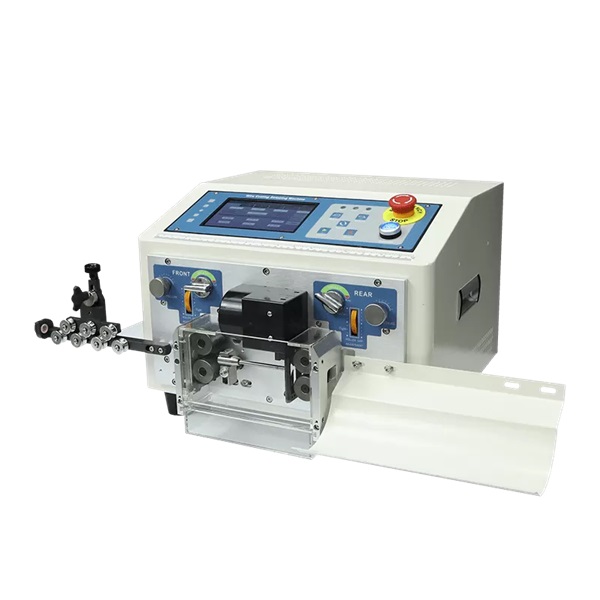
Software Tools for Design
Utilizing software tools is critical in designing wire harness routing efficiently and effectively. Software tools offer visualization, simulation, and management capabilities that greatly reduce the complexity of manual planning.
CAD Software: Tools such as AutoCAD and SolidWorks provide detailed layouts that facilitate precise design, particularly valuable for understanding space constraints and optimizing component placement.
Simulation Software: Utilizing simulation software aids in predicting the performance of routing designs, addressing potential challenges before implementation. This is crucial when accommodating heavy duty wire stripping machine components, including those from our wire stripping machine for sale lineup.
Database Integration: Software that links directly to part databases ensures the availability of necessary components like cable ferrule crimper and wire terminal crimper during design phases.
Project Management Tools: These tools help in tracking the project progress, ensuring timelines are met, and all logistics are considered, helping in resource allocation for machines like the automatic cable stripping machine.
Common Challenges
Despite advances in technology and design software, routing wire harnesses in machinery often presents challenges. Knowing these challenges helps in proactively addressing them:
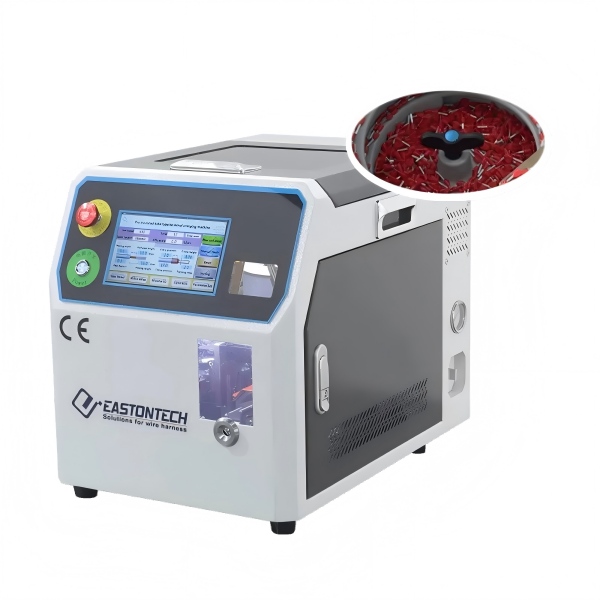
Space Constraints: Tight spaces within machinery can limit routing options, requiring innovative solutions or specialized tools like the wire strip machine. Eastontech wire harnessing solutions are designed with compact footprints to fit seamlessly into space-constrained production environments.
Signal Noise: Electromagnetic interference can disrupt signals, making equipment like automatic wire cutting machine crucial for precise, shielded routing.
Environmental Factors: Conditions such as moisture, temperature extremes, and vibration can affect wire integrity. Solutions like solder clamp tool and wire crimping machine help establish durable connections.
Cost Considerations: Balancing cost with quality and functionality requires strategic decision-making, often involving wire cutting and stripping machine to economize material use.
Efficiency Improvements
Enhancing efficiency in wire harness routing entails both technological innovations and procedural strategies. Adopting advancements in design and application results in significant gains:
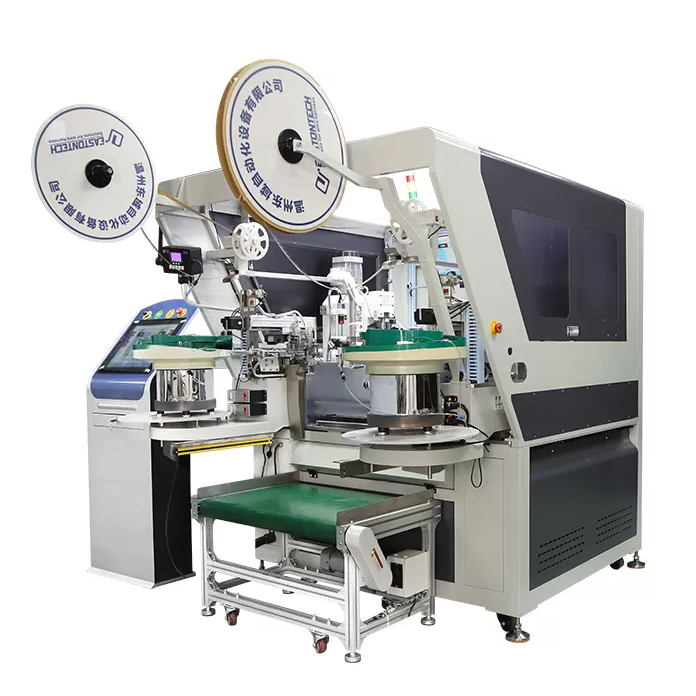
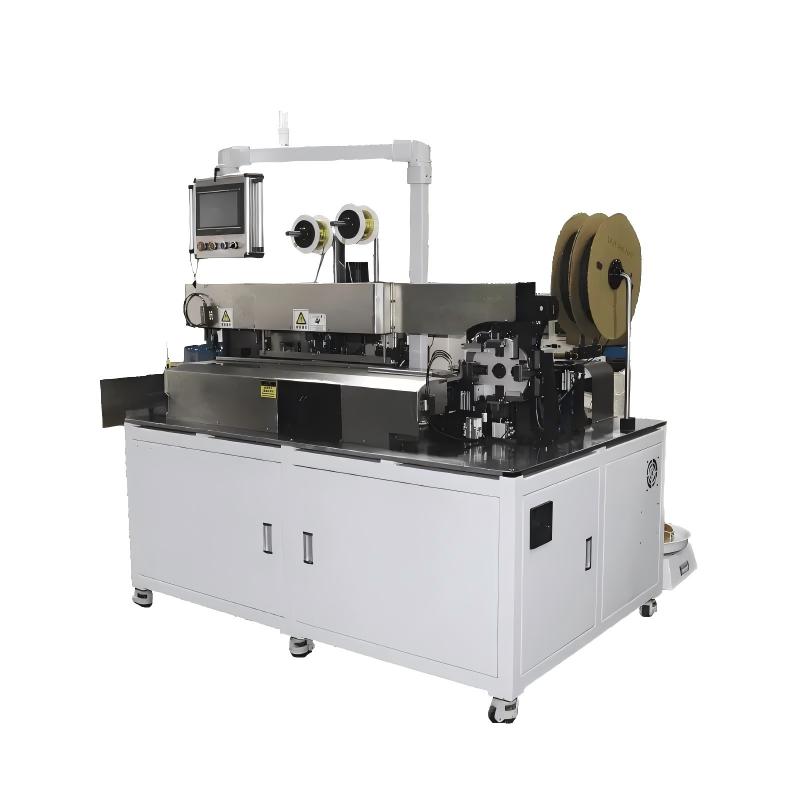
Automation: The use of automatic wire stripping machine and automated cable stripping machine reduces manual labor and improves precision in stripping and crimping tasks, forming the foundation of modern automated wire harness manufacturing systems.
Modular Design: Implementing modular designs allows for easy upgrades and replacements, critical for components using wire tinning and related tasks.
Standardization: Adopting industry standards ensures compatibility and facilitates easier implementation across different machinery types, realizing efficiencies with tools like wire stripping and crimping tool.
Lean Techniques: Employing lean manufacturing techniques reduces waste and improves process flows, particularly beneficial for wire harness manufacturing.
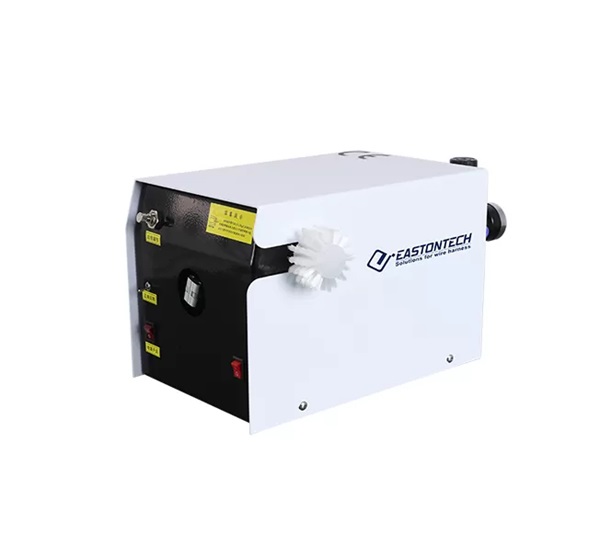
Application Field
Examining real-world applications provides context and understanding of effective wire harness routing within machinery:
Construction Equipment: Machines such as excavators utilize routing principles to ensure operational reliability under demanding conditions. Tools like wire marking machine play roles in maintaining organization and traceability.
Automotive Industry: Cars require precise routing to ensure all systems function effectively without interference. Wire twisting equipment aids in bundling and organizing wires for enhanced space management.
Aerospace Engineering: Aircraft demand high reliability and performance standards, using specialized routing designs along with crimping machines for optimal safety and function.
Consumer Electronics: Devices rely on compact, efficient wire harness designs using tools like wire twisting machine to ensure minimal space usage without sacrificing connection integrity.
Conclusion
Wire harness routing in machinery is a multifaceted process that influences both functionality and longevity. By understanding the principles, leveraging design software, overcoming common challenges, and implementing efficiency improvements, you can ensure optimal performance and reliability. Whether engaged in wire harness manufacturing or exploring the potential of an electric wire stripper or ferrule cable crimper, these insights equip innovators and businesses with the knowledge needed to navigate and excel in this crucial aspect of machinery design and function. With continuous advancements and applied learning, the future of wire harness design and routing promises enhanced efficiencies and capabilities that will undoubtedly shape the industry.
 English