In the complex world of wire harness manufacturing, the final quality of a product often hinges on the smallest details. One such detail is wire tinning—the process of coating stripped wire ends with solder. While it may seem like a simple step, the integrity of “tinning” determines the success of downstream processes like PCB mounting, terminal crimping, and overall signal conductivity.
As electronic components become smaller and more sophisticated, manual tinning is no longer sufficient. Today, we’ll dive deep into how automated tinning and soldering solutions are transforming industry standards and why Eastontech is at the forefront of this precision revolution.
1. The Invisible Risks of Poor Tinning
Whether you are producing harnesses for consumer electronics, automotive sensors, or industrial control systems, a poorly tinned wire is a ticking time bomb. Common issues include:
Cold Solder Joints: Caused by inconsistent temperature, leading to brittle connections that fail under vibration.
Frayed Strands: When wires aren’t bundled perfectly during the dip, stray strands can cause catastrophic short circuits.
Oxidation: Improper flux application or exposure to air can lead to oxidation, increasing electrical resistance.
To avoid these risks, industry leaders are moving away from manual “hand-dipping” toward automated wire tinning machine.
2. The Eastontech Solution: Precision at Every Dip
At Eastontech, our engineering philosophy revolves around eliminating human error. Our automated soldering systems address the three most critical variables in the tinning process:
A. Consistency of Tin Height (Depth Control)
Uniformity is the hallmark of quality. Our machines utilize high-precision servo motors to ensure that every single wire is dipped to the exact same depth (within ±0.05mm). This level of consistency is critical for high-density connectors where space is limited and tolerances are tight.
B. Advanced Flux Application
Applying flux is a delicate balance. Too much causes residue and corrosion; too little results in a weak bond. Eastontech’s systems feature automated flux spray or dipping modules that apply the precise amount required, facilitating a clean, lead-free solder bond every time.
C. Temperature Integrity with PID Control
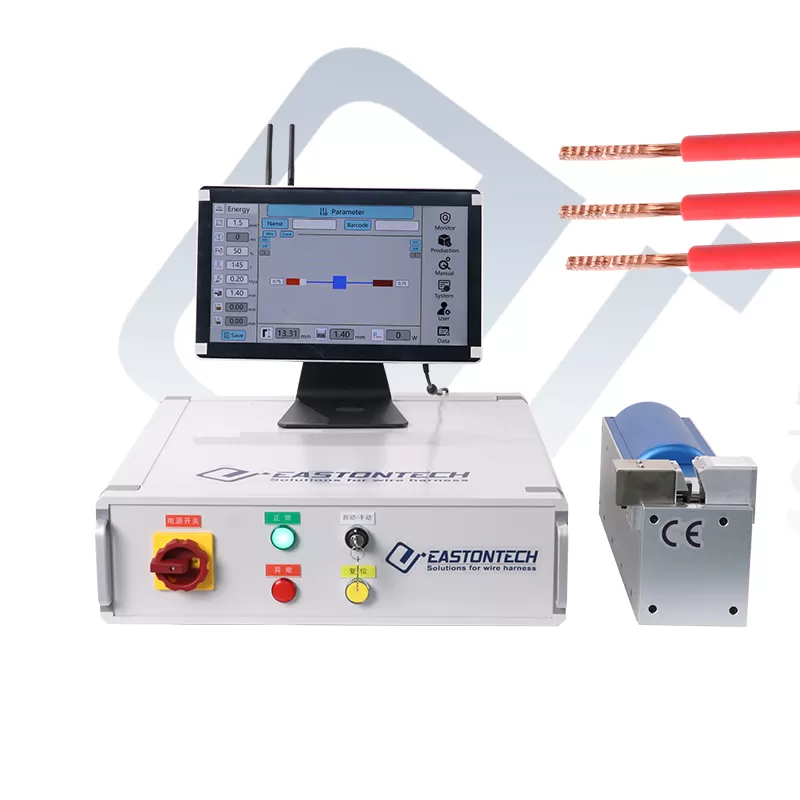
Lead-free soldering requires higher temperatures and tighter thermal management. Our titanium solder pots are equipped with PID (Proportional-Integral-Derivative) controllers. This technology maintains a stable thermal level even during high-volume production, preventing “icicles” or solder oxidation.
3. Meeting International Standards: IPC-620 and Beyond
In today's global market, compliance is not optional. The IPC/WHMA-A-620 standard sets rigorous requirements for soldered electrical connections. By switching to Eastontech’s automated solutions, manufacturers can easily meet these international benchmarks. Our machines ensure that the solder fillet is smooth, the wetting is uniform, and the wire insulation remains undamaged by heat—all key requirements for Tier-1 automotive and medical suppliers.
4. Versatility for Every Industry
Different applications require different solutions. Eastontech provides a scalable range of equipment:
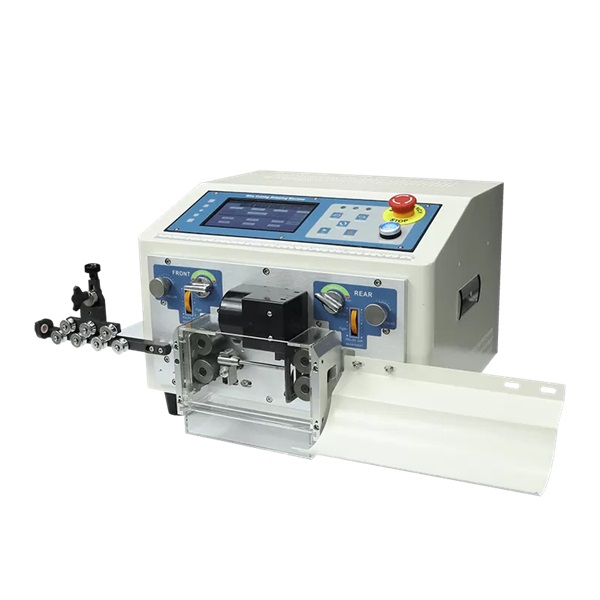
For Small Batches: Our semi-automatic dipping machines offer flexibility for specialized, low-volume cable assemblies.
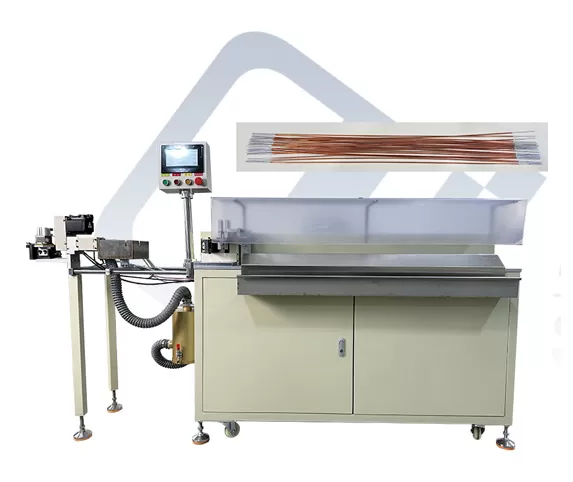
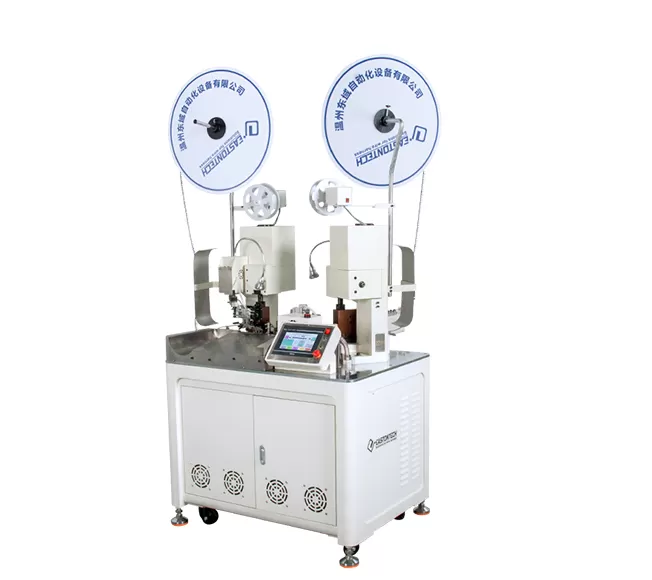
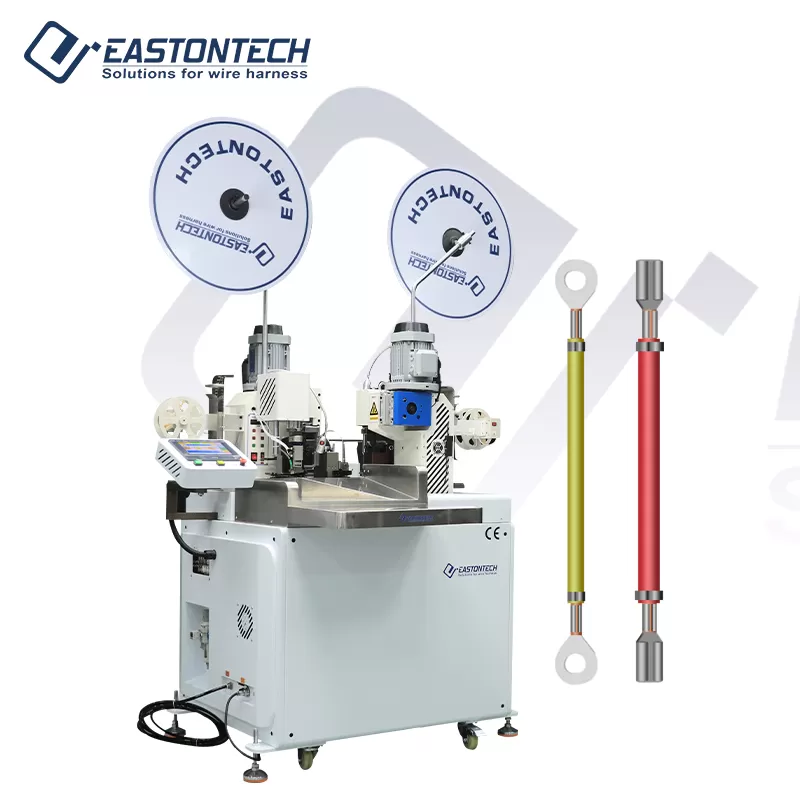
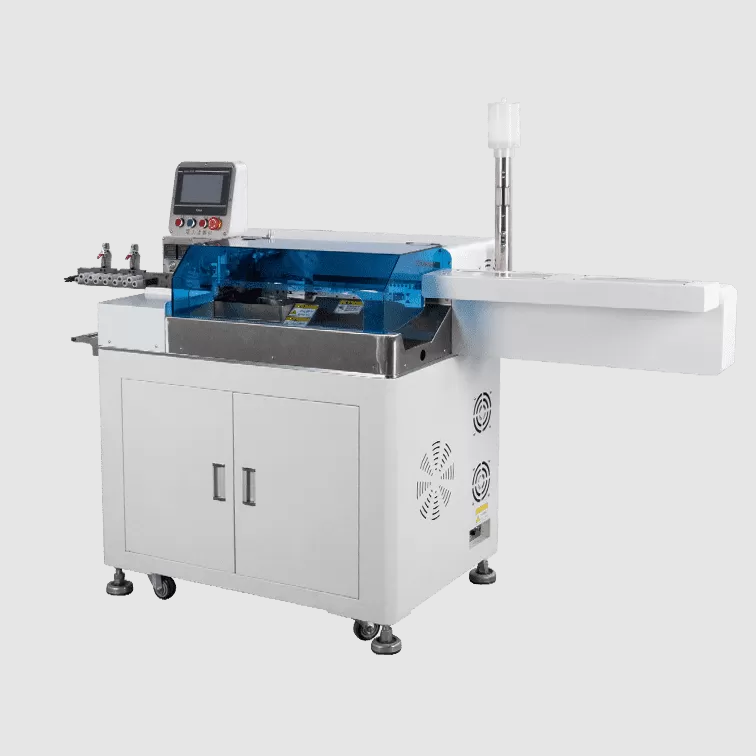
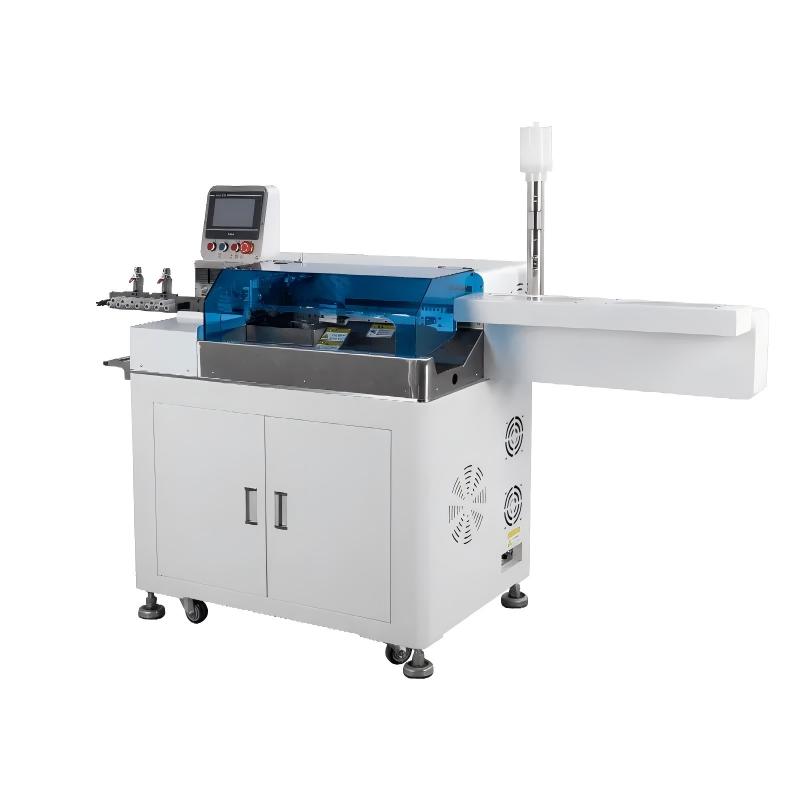
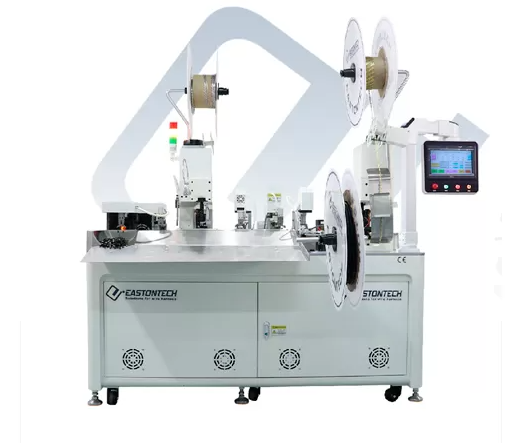
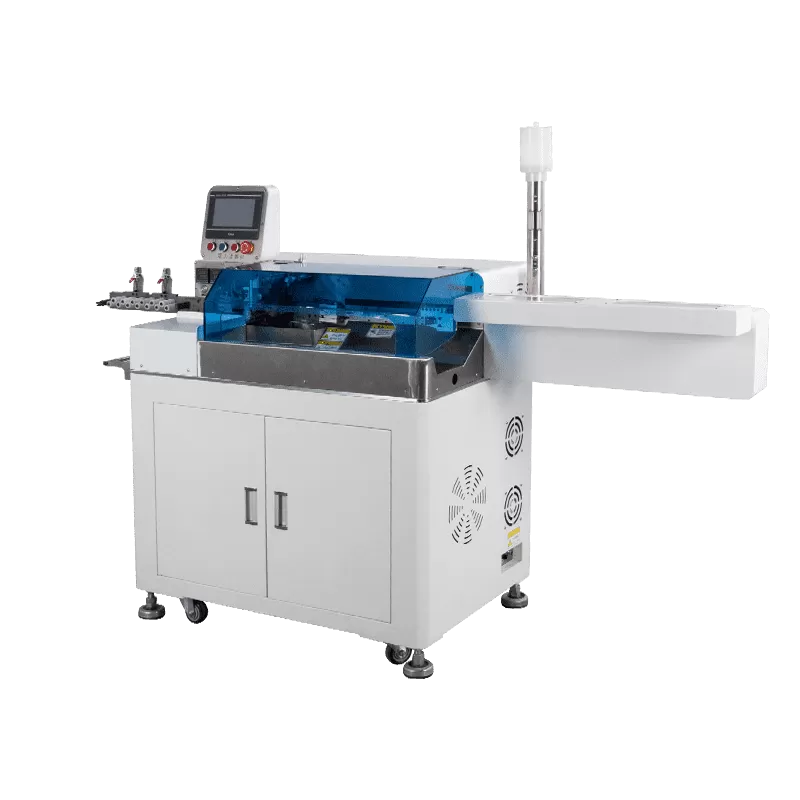
For Mass Production: Our fully automatic Stripping-Crimping-Tinning Workstations can process thousands of wires per hour, performing cutting, stripping, terminal crimping, and soldering in one seamless cycle.
For Specialized Wires: Whether it’s ultra-fine electronic wires or heavy-duty power conductors, our adjustable dipping angles (including 90-degree vertical dipping) ensure a perfect finish.
Conclusion: Future-Proof Your Production Line
As the demand for high-reliability wire harnesses continues to grow in the EV and 5G sectors, investing in precision tinning technology is no longer a luxury—it's a necessity. Eastontech's wire tinning and soldering solutions don't just increase your output; they safeguard your brand’s reputation by ensuring every connection is flawless.Ready to upgrade your soldering process?
Explore our full range of wire harness manufacturing equipments here or contact our technical team for a customized solution.
 English