The global demand for wire harnesses is skyrocketing, driven by the rapid growth of Electric Vehicles (EVs), renewable energy systems, and industrial IoT. According to recent market analyses, the wire harness industry was valued at nearly $96 billion in 2025 and is projected to continue expanding through 2026, fueled by EV adoption, advanced driver assistance systems (ADAS), industrial automation, aerospace electrification, and stricter safety and sustainability standards. For manufacturers, the transition from manual assembly to full automation is no longer an option—it is a necessity for survival. In this guide, we explore how modern wire harness machines are redefining production efficiency, with insights into emerging trends and practical solutions.
Key Trends Shaping Wire Harness Manufacturing in 2026
The wire harness market in 2026 is converging on themes of higher complexity from electrification and data-rich automation driven by AI. Here are the top trends to watch:
Electrification and Complexity: Harness assemblies now routinely include high-voltage power conductors, battery management sensors, and temperature sensing elements. This is particularly evident in EVs, where wiring must support higher data transmission speeds and power loads, reducing tolerances for errors.
AI-Driven Automation: AI is moving into production quoting, BOM extraction, and design-rule checks, compressing manual work and improving margins. Digital twins and IoT integration are enabling faster design validation and connected manufacturing.
Lightweighting and Sustainability: Demand for lightweight wire harnesses, high-voltage designs, and eco-friendly materials like low-smoke zero-halogen (LSZH) is rising. Modular harnesses improve durability and support circular recycling.
Nearshoring and Supply Chain Resilience: North American manufacturers are shifting production closer to home for EVs and critical systems, reducing volatility.
Smart and Connected Harnesses: Incorporation of sensors, CAN, and Ethernet for data-rich applications in automotive and industrial sectors.
These trends are pushing the market toward a projected CAGR of 3.5% to 7.0% through 2031, with equipment valuation reaching $1.2-2.2 billion by 2026.
The Shift to Automation in Wire Harnessing
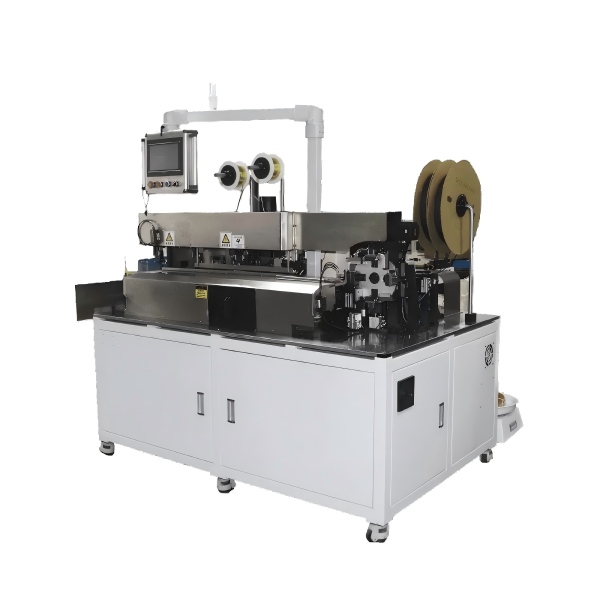
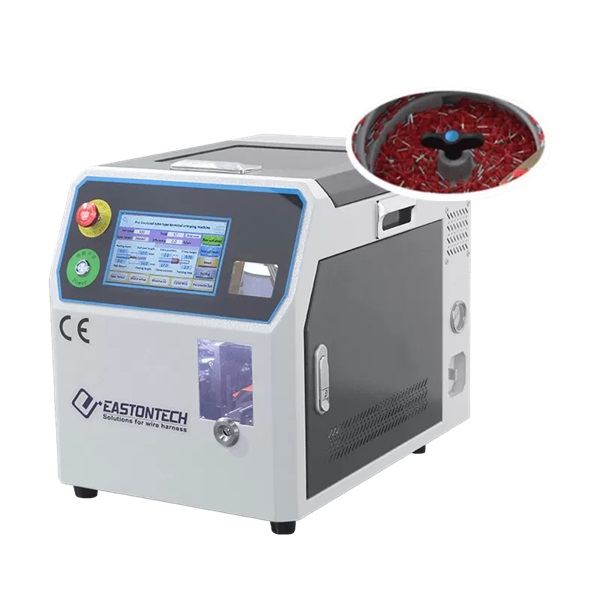
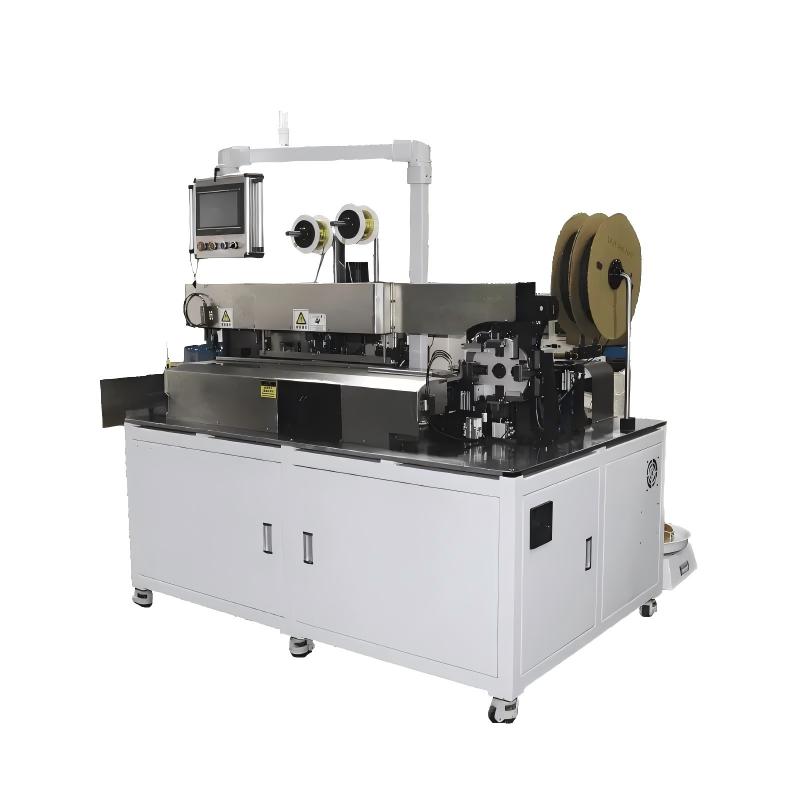
Traditional wire processing is labor-intensive and prone to human error. With the introduction of automatic wire harness machine, factories can now achieve:
Higher Precision: Micro-processor controlled cutting and stripping ensure sub-millimeter accuracy, essential for high-frequency data transmission.
Reduced Waste: Automated calibration minimizes material loss during setup, with some systems cutting scrap by up to 30%.
Consistency: Every crimp meets the exact tension and height requirements, crucial for safety-critical industries like aerospace and automotive. Automation investments, such as robotic crimping and vision systems, are key for quality assurance.
Scalability: From high-mix flexibility using tools like EPLAN and Siemens NX to full automation with AI QC.
Case in point: Suppliers like Lear are investing in automation for footprint optimization, improving margins in E-Systems.
Key Equipment for a Modern Production Line
To stay competitive, a 1-stop wire harnessing solution should include:
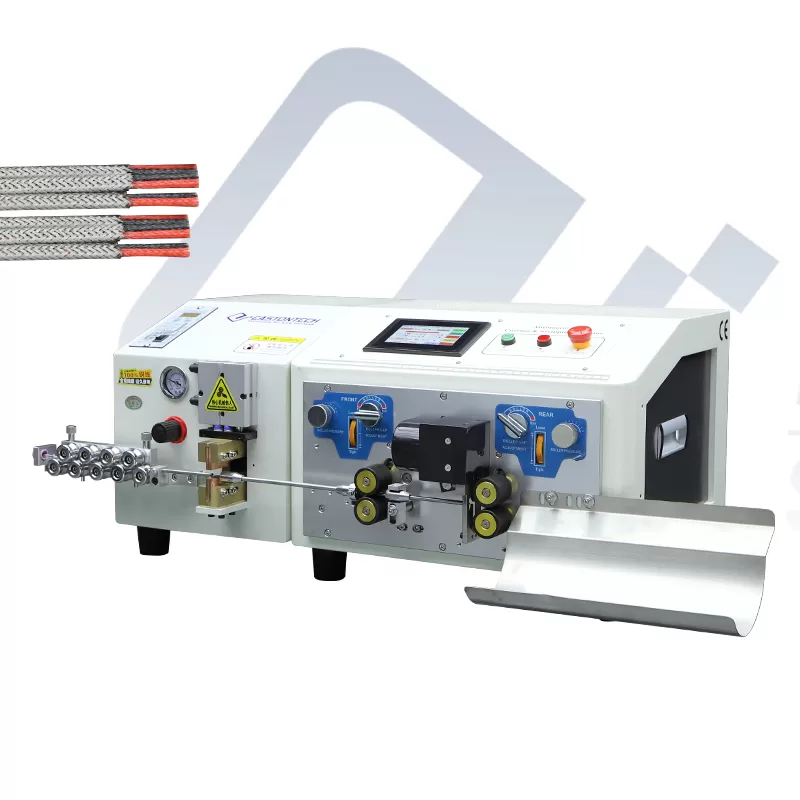
High-Speed Cutting & Stripping Machines: For handling diverse wire gauges, with rates up to 4,000 pieces per hour.
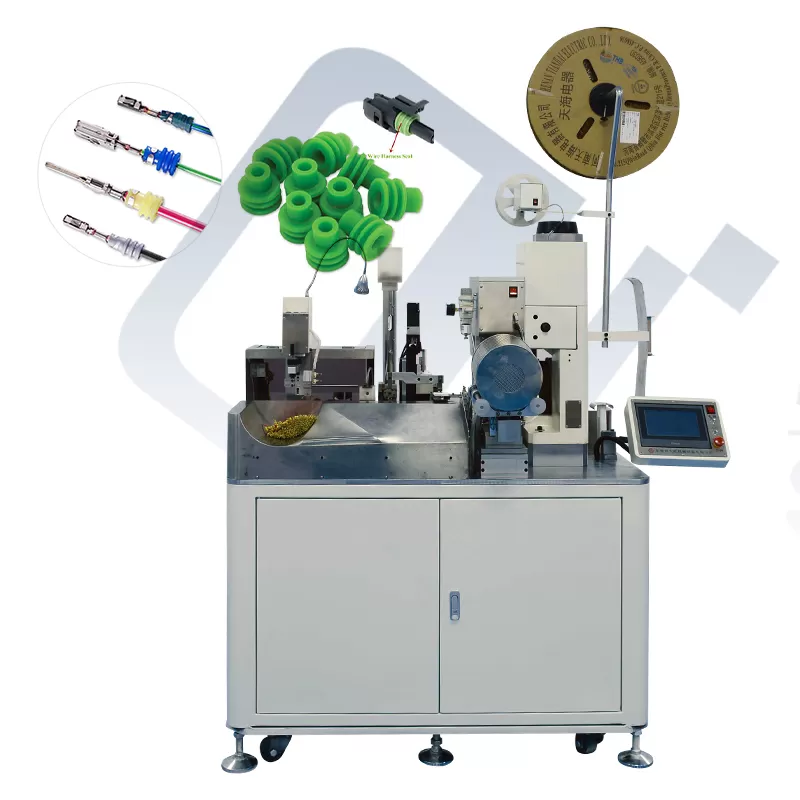
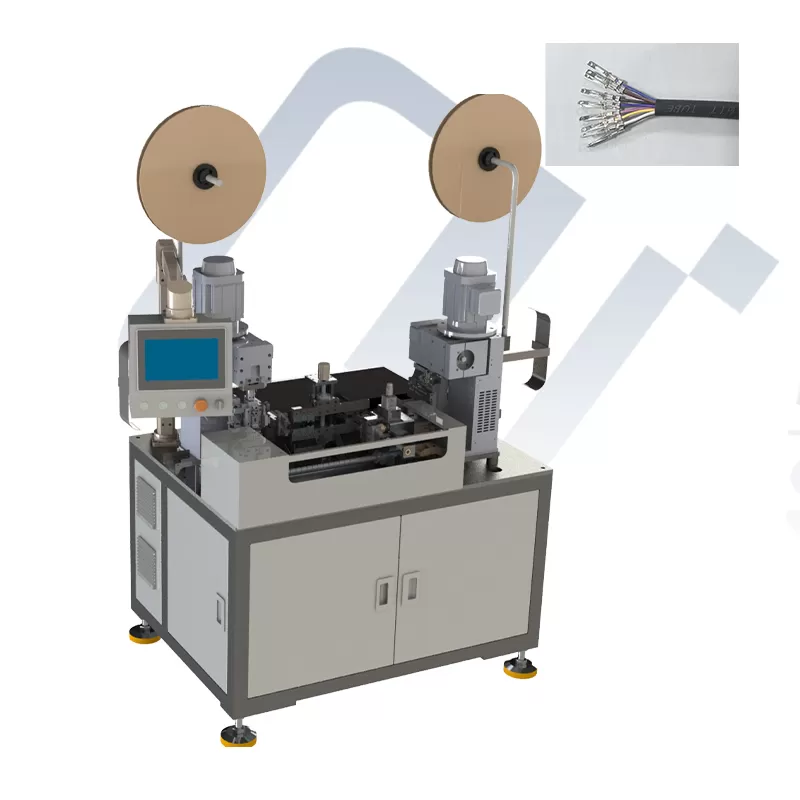
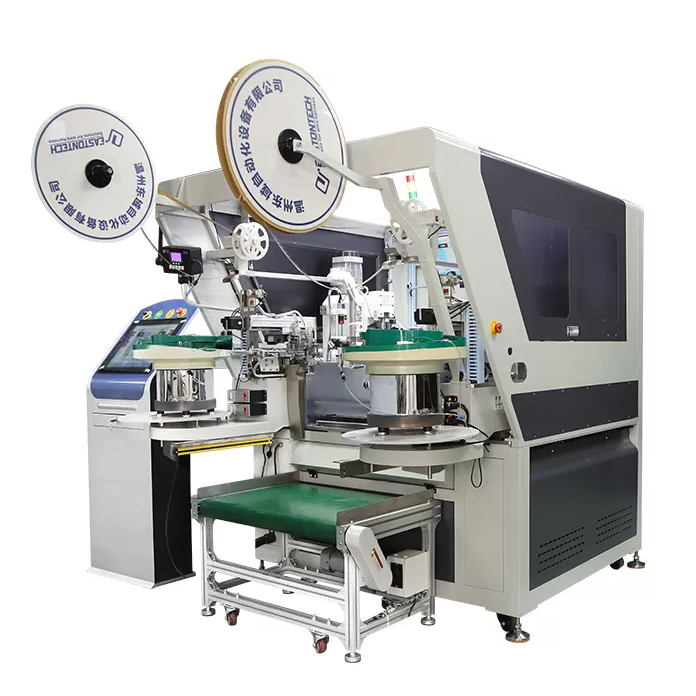
Automatic Terminal Crimping Machines: Such as the EASTONTECH EW-8070, which integrates cutting, stripping, and crimping into a single workflow, supporting weather sealing and tinning.
Testing & Quality Control: Integrated pull-test and CCD vision systems to detect defects in real-time, ensuring compliance with IPC/WHMA-A-620 standards.
MES and Tester Exports: Features like CSV outputs for equipment like KOMAX 4Wire CAO for traceable manufacturing.
| Equipment Type | Key Benefits | Industry Application |
|---|
| Cutting & Stripping | Sub-millimeter accuracy, reduced waste | Automotive, Aerospace |
| Terminal Crimping | Up to 1,800 crimps/hour | EVs, Industrial IoT |
| Quality Testing | Real-time defect detection | Medical, Defense |
Conclusion
Investing in the right wire harness manufacturing equipment is about more than just speed; it's about future-proofing your production amid a market projected to reach $93.78 billion by 2030 at a 6.5% CAGR. As a leader in wire harnessing automation, EASTONTECH provides tailored solutions to help you scale efficiently. Contact us to integrate these trends into your operations.
 English