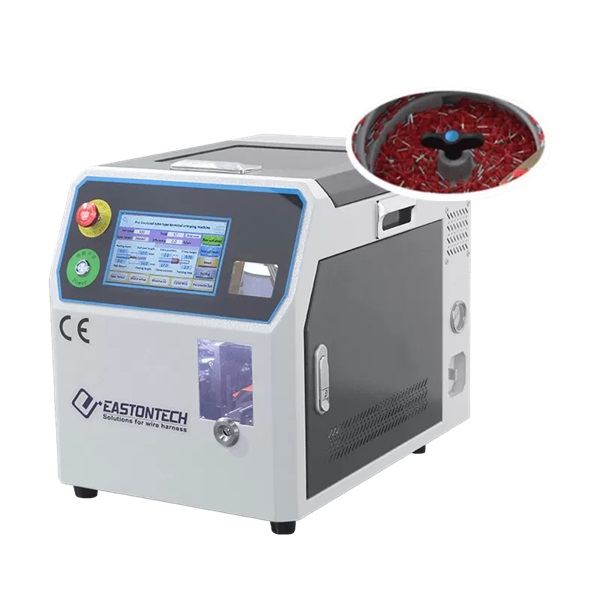
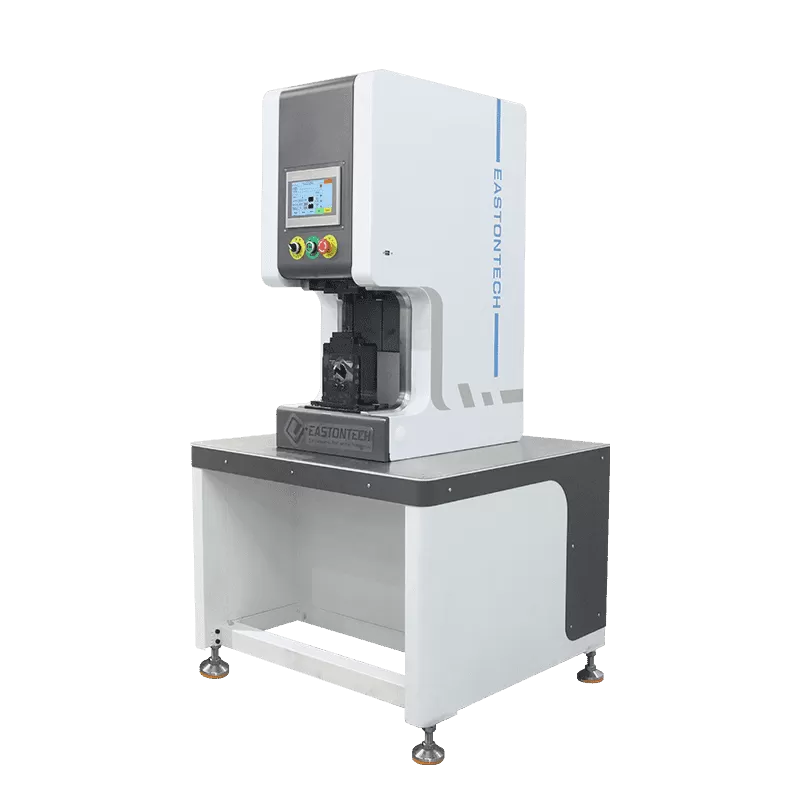
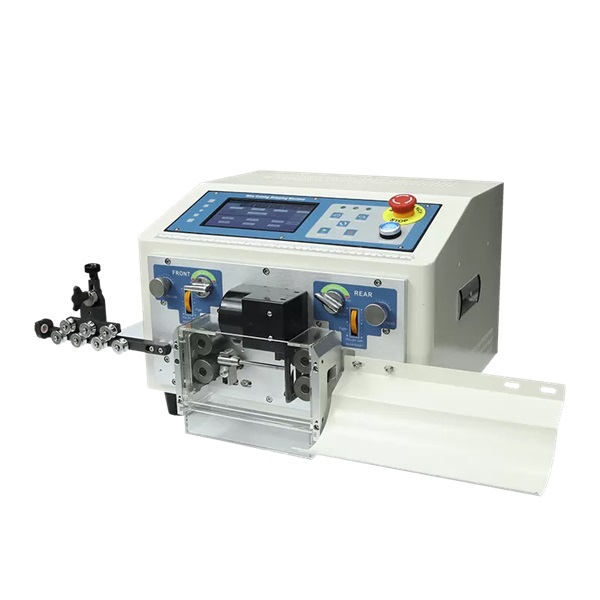
In the fast-paced world of industrial manufacturing, the reliability of electrical connections is paramount. As industries shift toward higher levels of automation, the need for advanced wire processing solutions has become critical. One of the most significant innovations in this space is the wire splicing machine. Whether you are in the automotive, electronics, or new energy sector, understanding how this technology functions is key to optimizing your production efficiency.
What is a Wire Splicing Machine and How Does It Work?
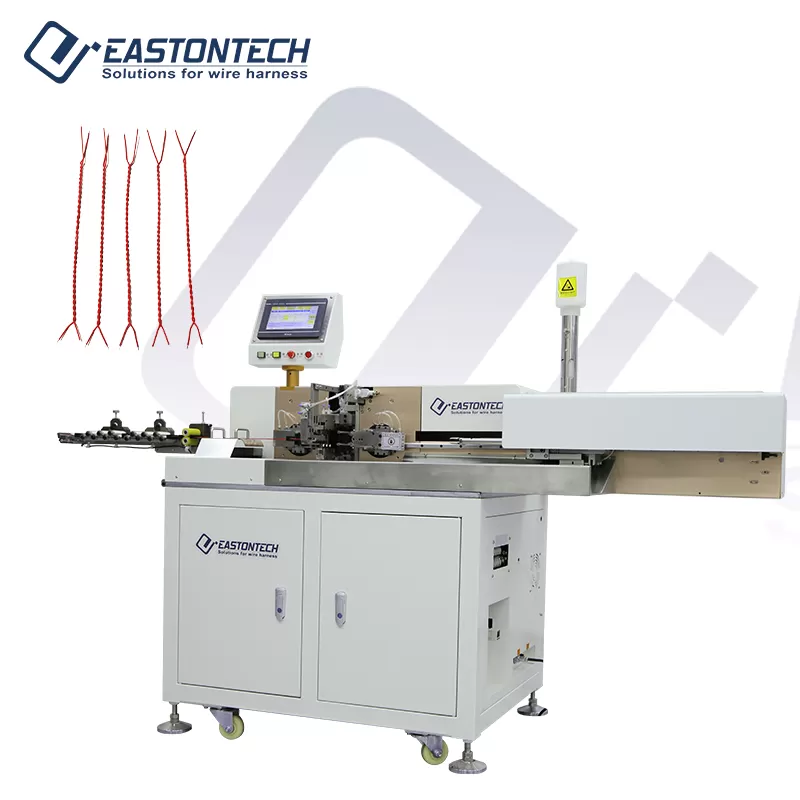
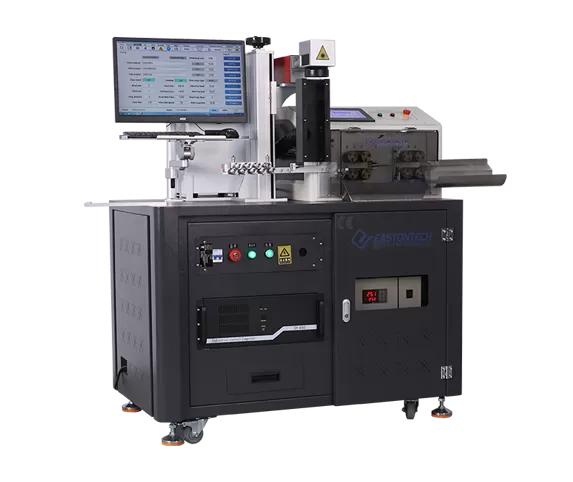
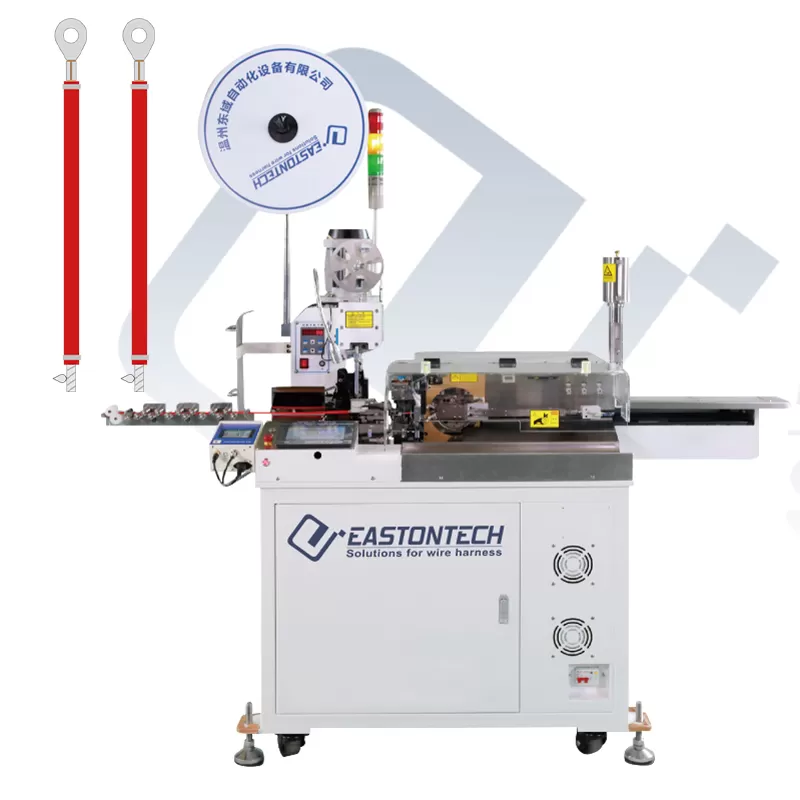
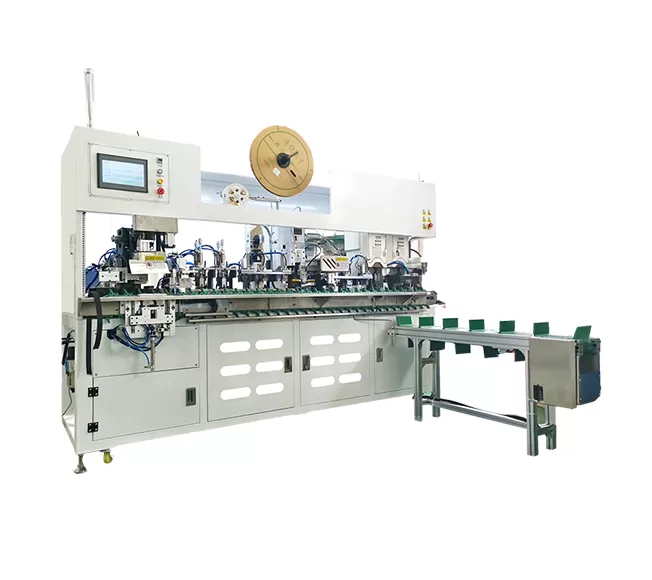
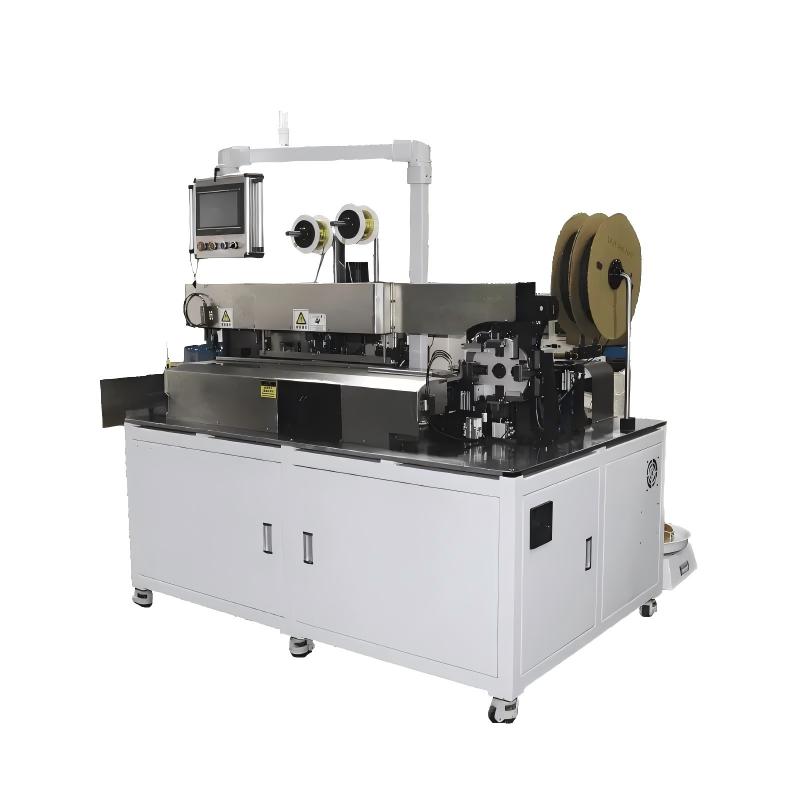
A wire splicing machine—also known as a wire jointing machine—is a specialized industrial device designed to join two or more metal wires together without the need for traditional soldering, crimping, or manual twisting. Unlike conventional methods that rely on heat or filler materials, these machines typically utilize ultrasonic metal welding technology to create a solid-state metallurgical bond between conductors.
The working principle is highly effective. The machine applies high-frequency ultrasonic vibrations to the wire stack while under controlled pressure. This vibration effectively disrupts the surface oxide layers on the copper or aluminum strands. As the oxides are removed, the clean metal surfaces come into direct contact and undergo plastic deformation, resulting in a robust, permanent connection at the molecular level. Because the process does not require melting the metal, it avoids the formation of brittle intermetallic compounds, leading to superior mechanical and electrical performance.
Key Benefits of Using Automated Wire Splicer Technology
Adopting an automated wire splicer machine provides transformative benefits for high-volume production lines. By transitioning from manual labor or older mechanical fastening methods to ultrasonic splicing, manufacturers can achieve significantly better output consistency.
Superior Electrical Conductivity: The solid-state bond creates a low-resistance connection that maintains signal integrity even under thermal stress.
Enhanced Cost Efficiency: By eliminating the need for expensive solder, flux, or specialized terminals, the wire splicing machine significantly reduces material overhead.
Environmental Responsibility: The process is clean, fume-free, and energy-efficient, aligning with modern corporate mandates for greener manufacturing.
Operational Consistency: Automation ensures that every splice meets the same quality parameters, reducing scrap rates and the need for manual inspection.
To better understand how these benefits translate to your specific process, consider the following performance comparison:
| Feature | Traditional Soldering | Automated Wire Splicing |
|---|
| Material Usage | Solder, Flux, Heat | None (Solid-state) |
| Process Speed | Moderate/Slow | Very High |
| Environmental Impact | Fumes/Chemical Waste | Clean/Eco-friendly |
| Connection Quality | Variable | Highly Consistent |
Industries That Rely on Precision Wire Splicing Machines
The versatility of the wire splicer machine has made it an essential asset across various demanding sectors. As industries evolve, the requirement for lighter, more durable, and highly reliable wire harnesses has driven widespread adoption.
Automotive Industry: With the rise of electric vehicles (EVs), there is an urgent need to process heavy-gauge battery cables and intricate sensor harnesses. Splicing ensures these connections remain intact under the high-vibration conditions typical of automotive environments.
Industrial Electronics and Appliances: From smart home devices to large-scale industrial control panels, a wire splicing machine enables manufacturers to produce compact, reliable circuitry that fits into smaller housing footprints.
New Energy and Solar: Solar energy systems often operate in harsh outdoor conditions. Spliced connections provide the weather resistance and longevity required for long-term power distribution in solar junction boxes.
Aerospace and Defense: In applications where failure is not an option, the precision and strength of ultrasonic splicing provide a level of security that mechanical crimps cannot always match.
For a comprehensive view of all available technologies, you can browse our full range of industrial processing solutions.
How to Choose the Right Wire Splicer Equipment for Your Production Line
Selecting the optimal equipment requires a clear assessment of your specific operational goals. When evaluating a wire splicing machine, you must first consider the total cross-sectional range of the wire stacks you process most frequently, as matching the machine capacity to your specific gauges is essential for performance. You should also prioritize equipment that offers seamless integration capabilities, especially if you are running an automated assembly line, to ensure communication between wire feeders and other modules. Furthermore, it is vital to select a machine equipped with comprehensive data monitoring functions, as recording welding parameters like amplitude, pressure, and time is crucial for satisfying modern ISO quality management requirements. Finally, always look for designs that feature quick-change tooling, as this significantly minimizes downtime during product changeovers and keeps your production flow steady.
Why Choose EASTONTECH Wire Splicing Machines for Your Manufacturing Needs?
At EASTONTECH, we understand that precision is the bedrock of wire harness manufacturing. Since 2003, we have been dedicated to pushing the boundaries of wire processing technology, holding both ISO 9001 and CE certifications to ensure our equipment meets the most rigorous global standards.
Our wire splicing machine solutions are essential tools for creating strong, permanent wire-to-wire connections, with advanced options like our ultrasonic splice machine delivering exceptional precision. Designed for industrial, automotive, and electrical applications, our equipment utilizes precise mechanisms and interchangeable dies, while our ultrasonic technology leverages cutting-edge systems to deliver consistent, high-pressure splices across various wire gauges and types. These machines ensure optimal conductivity, superior mechanical strength, and vibration-resistant bonds, which are critical for reliable power transmission, control systems, renewable energy installations, and equipment repair. By choosing EASTONTECH, you are partnering with a team that values innovation and customer satisfaction, providing tailored solutions that help you streamline your operations while maintaining a strong focus on quality control and environmental responsibility.
Whether you are looking to upgrade an existing line or implement an entirely new automated facility, our team is ready to support your technical requirements. If you have questions about which machine fits your factory floor, please feel free to reach out to our expert team.
Conclusion
The transition to automated wire processing is a defining step for manufacturers aiming to stay competitive in an increasingly automated world. A wire splicing machine offers the unique combination of high-speed production, exceptional connection quality, and environmental sustainability. By selecting the right wire splicer machine from a partner that understands your industry, you can enhance the reliability of your harness assemblies and drive long-term productivity. As we look toward the future of manufacturing, the integration of precise, data-driven splicing technology will remain a cornerstone of quality engineering.
Frequently Asked Questions (FAQ)
1. Is a wire splicing machine better than traditional crimping?
Ultrasonic splicing generally provides better electrical conductivity and corrosion resistance than crimping, as it eliminates the need for terminals and creates a solid-state metallic bond.
2. Can a wire splicer machine handle different wire materials?
Yes, modern machines are designed to splice various materials, including copper to copper, copper to aluminum, and aluminum to aluminum, depending on the specific machine configuration.
3. Does splicing require special training for operators?
While automated machines are user-friendly, basic training is recommended to understand machine calibration, safety protocols, and how to monitor weld quality parameters effectively.
4. How does a wire splicing machine improve production efficiency?
By automating the joining process, these machines eliminate manual steps like stripping and crimping, significantly increasing throughput while reducing material costs and human error.
 English