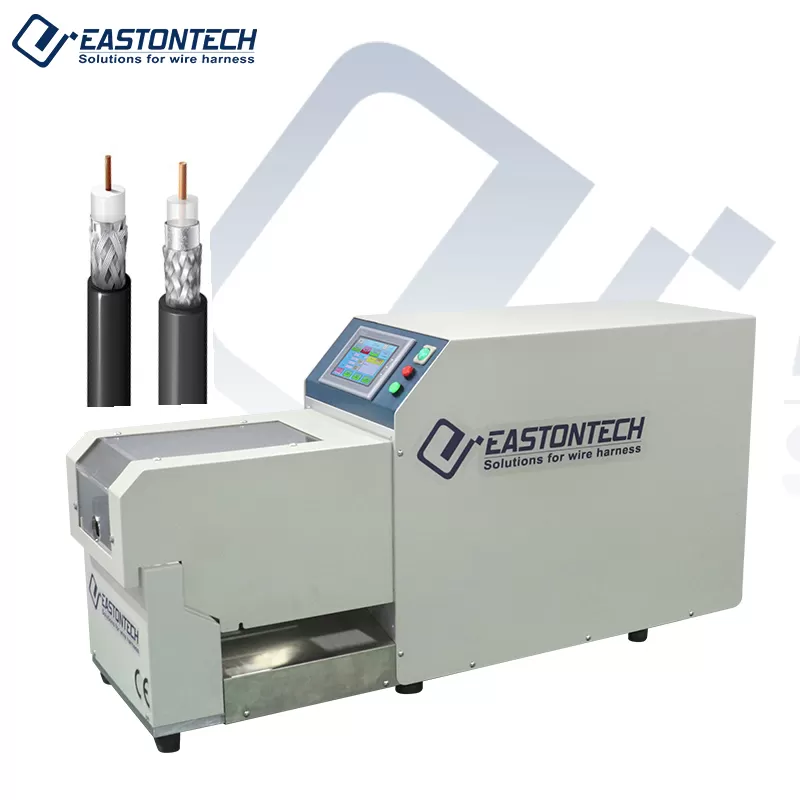
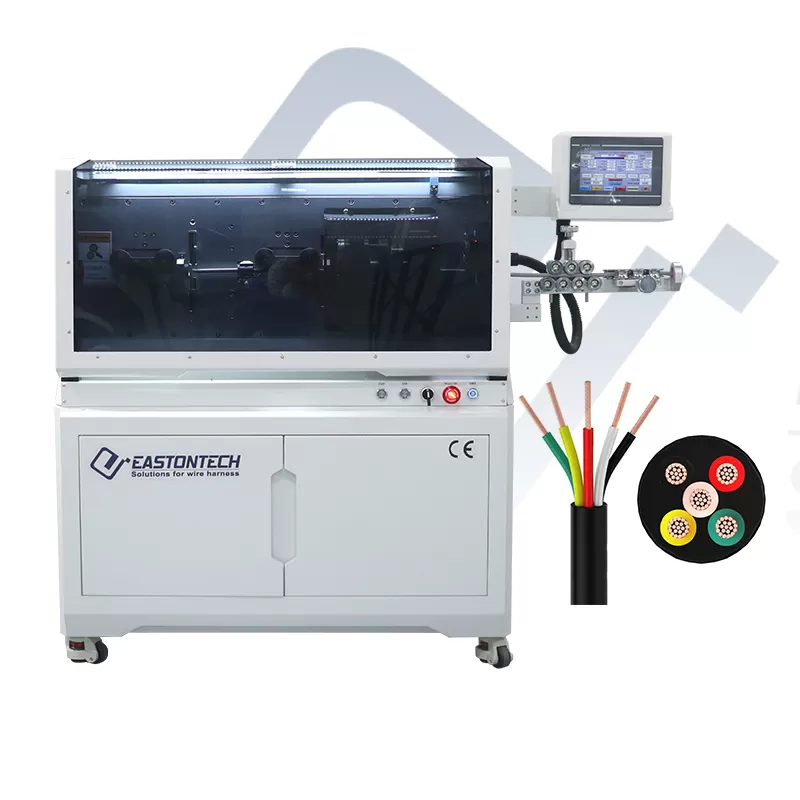
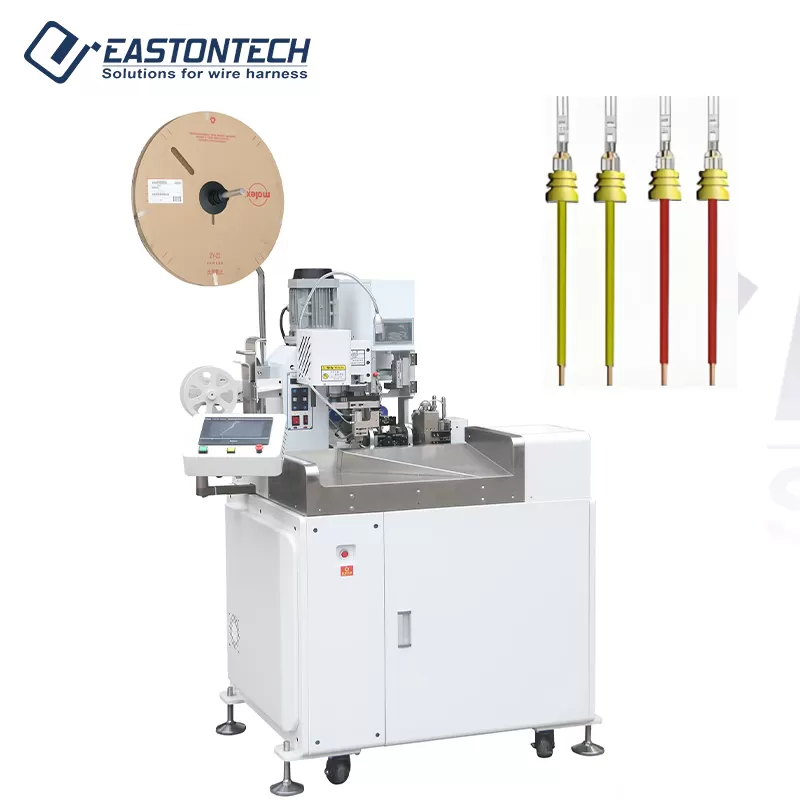
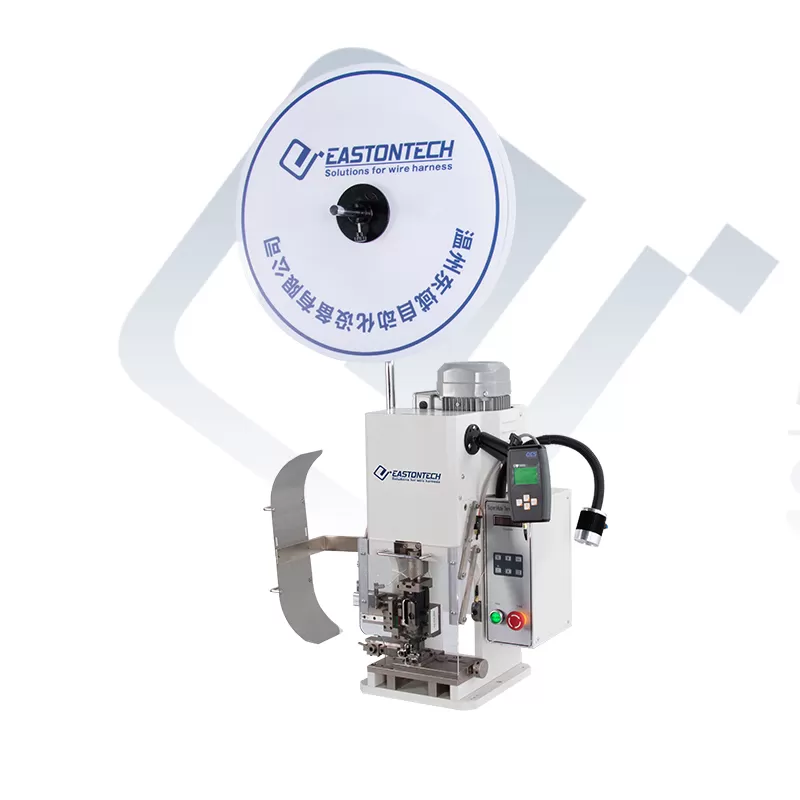
In modern wire harness manufacturing, choosing the right crimping equipment is no longer just a technical decision—it directly impacts production stability, labor efficiency, and long-term product reliability. Two of the most commonly adopted solutions in this field are ferrule-based crimping systems and terminal-based crimping systems.
Many factories today are upgrading to an automatic ferrule crimping machine to improve consistency in control cabinet wiring, while others rely on a terminal crimping machine to handle complex harness assemblies in automotive and electronics production lines. Although both machines serve the same general purpose of wire termination, their applications and strengths are quite different.
This article breaks down how each system works, compares their performance, and helps you determine which solution is best for your production needs. Solutions from Wire Harness Machine are widely used in global manufacturing environments to improve crimping efficiency and stability.
How Ferrule Crimping Machines Work and Where They Are Used
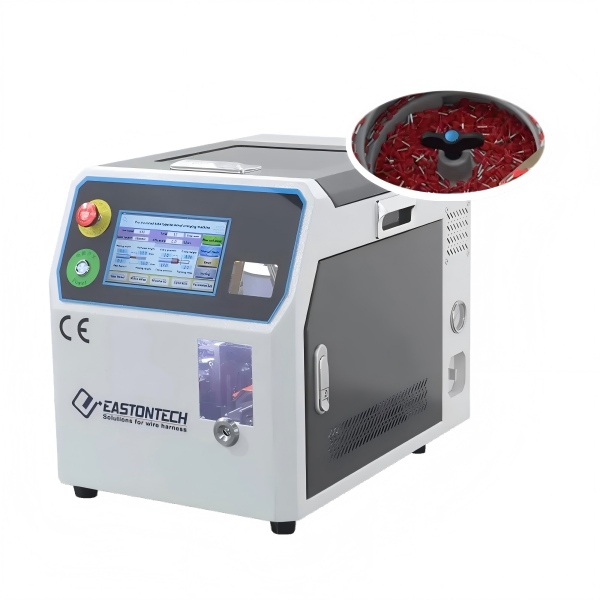
A ferrule crimping machine is designed to process stripped wires by attaching ferrules that bundle and protect wire strands before insertion into screw-type terminals. This process ensures a clean, secure, and durable electrical connection.
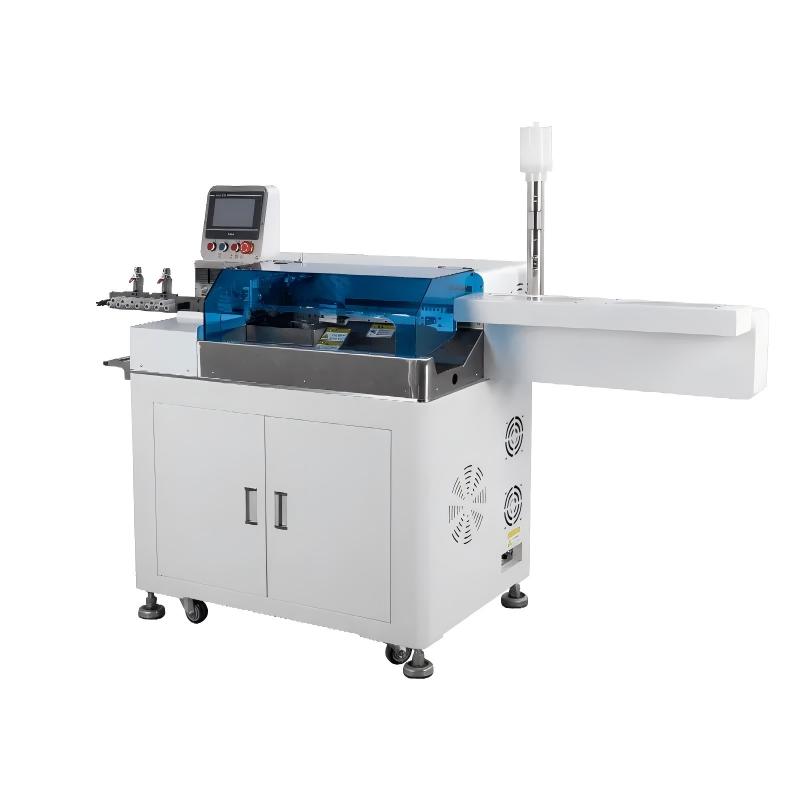
In most modern production lines, an automatic ferrule crimping machine integrates several steps into one continuous workflow, including wire feeding, stripping, ferrule placement, and crimping. Compared with manual methods, automation significantly improves consistency and reduces operator fatigue.
An automatic ferrule crimping tool is especially valuable in environments where wiring standards must remain uniform across large batches. For example, control cabinet assembly, distribution panels, and industrial automation systems often require thousands of identical wire terminations.
Instead of relying on manual crimping quality, manufacturers use automation to maintain stable crimping force and precise alignment. This reduces the risk of loose connections and improves overall electrical safety, especially in power distribution systems.
How Terminal Crimping Machines Support Different Wire Processing Tasks
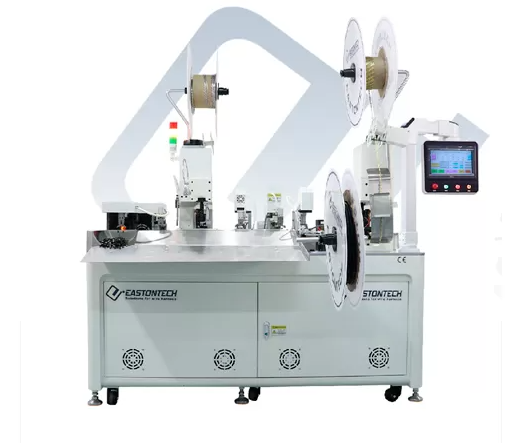
A terminal crimping machine is used to attach metal terminals onto wire ends, creating both electrical conductivity and mechanical strength. These terminals may vary widely, including ring, spade, pin, or customized connector types depending on the application.
Unlike ferrule systems that focus on standardization, terminal crimping equipment is designed for flexibility. A modern terminal crimping machine can handle multiple connector specifications and is often integrated into fully automated wire harness production lines.
In automotive wiring harness manufacturing, for instance, a terminal system must support complex routing and diverse connector designs. The same applies to consumer electronics and energy storage systems, where connection reliability is critical.
By using a terminal crimping machine, manufacturers can achieve stable crimp quality while maintaining high production speed. This is particularly important in large-scale assembly environments where even small inconsistencies can lead to performance issues downstream.
Ferrule Crimping Machine vs. Terminal Crimping Machine: Speed, Precision, Flexibility, and Cost
When comparing an automatic ferrule crimping machine with a terminal crimping machine, the differences become more obvious when evaluated from a production perspective.
| Aspect | Ferrule Crimping System | Terminal Crimping System |
|---|
| Application Focus | Standard wire termination | Multi-type connector assembly |
| Automation Level | High automation available | Fully automated options available |
| Production Speed | Efficient for repetitive tasks | Higher for complex assembly lines |
| Precision Control | Very stable and uniform | High precision with varied tooling |
| Flexibility | Limited to ferrule sizes | Wide connector compatibility |
| Investment Level | Generally lower | Medium to higher |
From a cost-efficiency perspective, an automatic ferrule crimping machine is often preferred in standardized wiring environments because it reduces manual labor while maintaining consistent quality.
On the other hand, a terminal crimping machine provides greater flexibility for manufacturers working with multiple product types. It is better suited for environments where connector variation is high and production requirements change frequently.
Which Crimping Machine Fits Different Wire Processing Applications?
Selecting between ferrule and terminal systems depends largely on the structure of your production workflow and the complexity of your wiring requirements.
If your operation focuses on control panels, distribution boxes, or standardized electrical wiring, an automatic ferrule crimping tool is usually the most efficient option. It ensures consistent termination quality across large batches and reduces dependency on manual labor.
However, if your production involves complex harness designs with multiple connector types, a terminal crimping machine is more suitable. It supports a wider range of applications and allows manufacturers to adapt quickly to different product specifications.
In many real-world factories, both systems are used together. Ferrule-based machines handle standardized wire preparation, while terminal systems manage final connector assembly. This combined approach improves overall production balance and flexibility.
How to Choose the Right Machine for Your Wire Processing Application
Choosing the right equipment requires a clear understanding of your production goals and long-term strategy.
One of the most important considerations is production volume. High-volume standardized wiring typically benefits more from an automatic ferrule crimping machine, as it reduces manual intervention and ensures consistent output quality.
Wire type and connector diversity also play a major role. If your workflow involves mostly single-wire termination, ferrule-based automation is sufficient. However, if you are dealing with multiple connector types, a terminal crimping machine offers far greater adaptability.
Precision requirements should also be considered. While both systems deliver high accuracy, ferrule automation tends to provide more consistent results in repetitive applications, whereas terminal systems focus on mechanical strength and connection variety.
Budget and return on investment are equally important. Ferrule systems generally require lower initial investment, while terminal systems involve higher upfront costs but offer broader long-term usage potential.
For manufacturers planning future expansion into automotive or high-complexity electronics, investing in a terminal crimping machine may provide better scalability.
When selecting the most suitable solution, many engineers prefer to first review available equipment configurations in the product category overview to better compare different machine types and automation levels.
If your production line requires more specific guidance—such as matching wire specifications, connector types, or automation level—it is often more efficient to consult directly with the technical team. You can easily reach Wire Harness Machine through the contact page, where application-based recommendations can be provided for your exact requirements.
Conclusion
Both ferrule and terminal crimping technologies play essential roles in modern wire processing industries, but they solve different problems.
An automatic ferrule crimping machine is ideal for standardized, high-volume wiring tasks where consistency and efficiency are priorities. In contrast, a terminal crimping machine is better suited for complex harness production requiring flexibility and multi-connector compatibility.
In many advanced manufacturing environments, combining both systems delivers the best overall performance—balancing speed, accuracy, and adaptability. Wire Harness Machine continues to support global manufacturers with automation solutions designed to improve production efficiency and reduce operational costs.
FAQ
1. What is an automatic ferrule crimping machine mainly used for?
It is used for stripping wires, inserting ferrules, and crimping them to ensure stable and uniform electrical connections.
2. What makes a terminal crimping machine different?
It is designed for attaching various metal terminals to wires, supporting more complex wiring structures.
3. Is an automatic ferrule crimping tool suitable for large-scale production?
Yes, it is widely used in high-volume environments due to its consistency and automation level.
4. Can ferrule and terminal machines be used in the same factory?
Yes, many factories use both systems to handle different stages of wire processing.
5. Which industries rely most on terminal crimping machines?
Automotive, electronics, energy storage, and industrial manufacturing industries commonly use them.
6. What should I consider before choosing a crimping solution?
You should evaluate production volume, connector types, automation level, budget, and future scalability.
 English