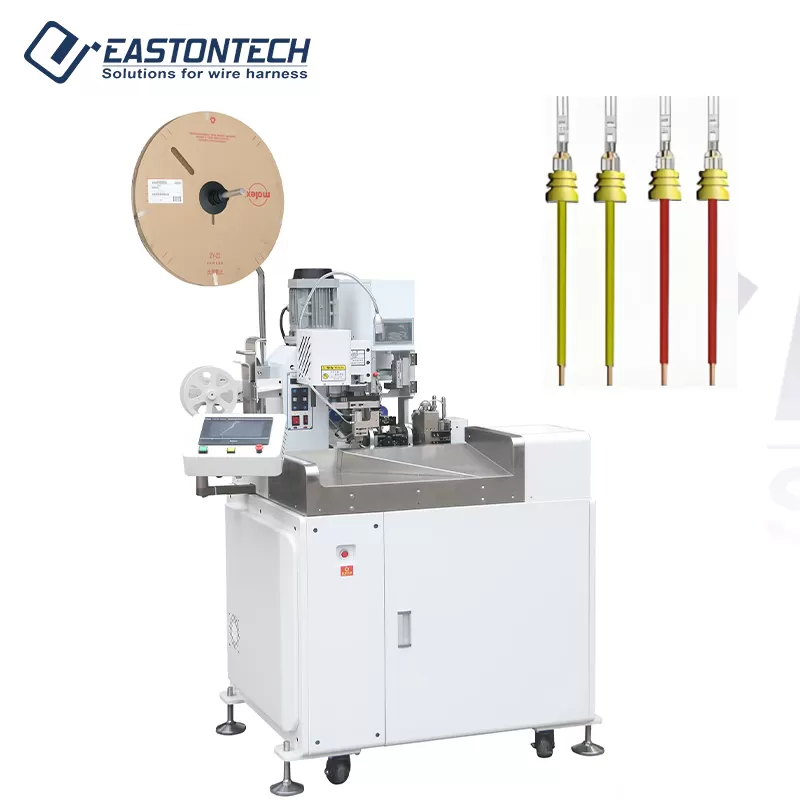
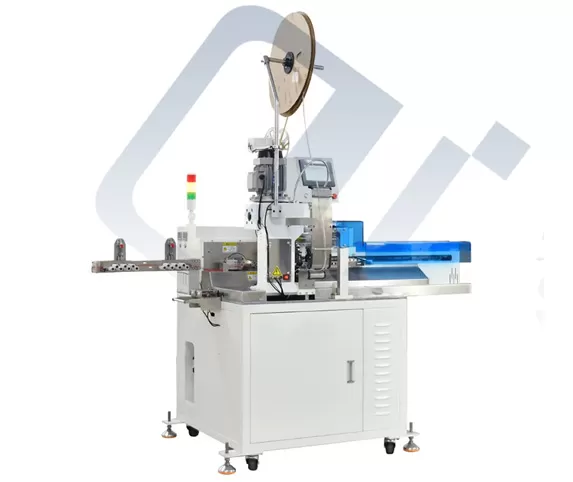
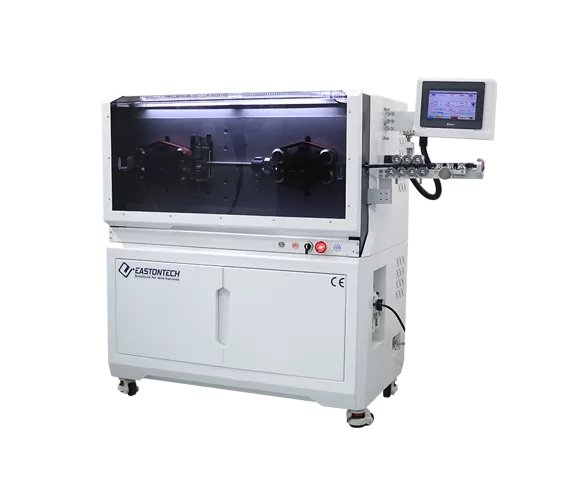
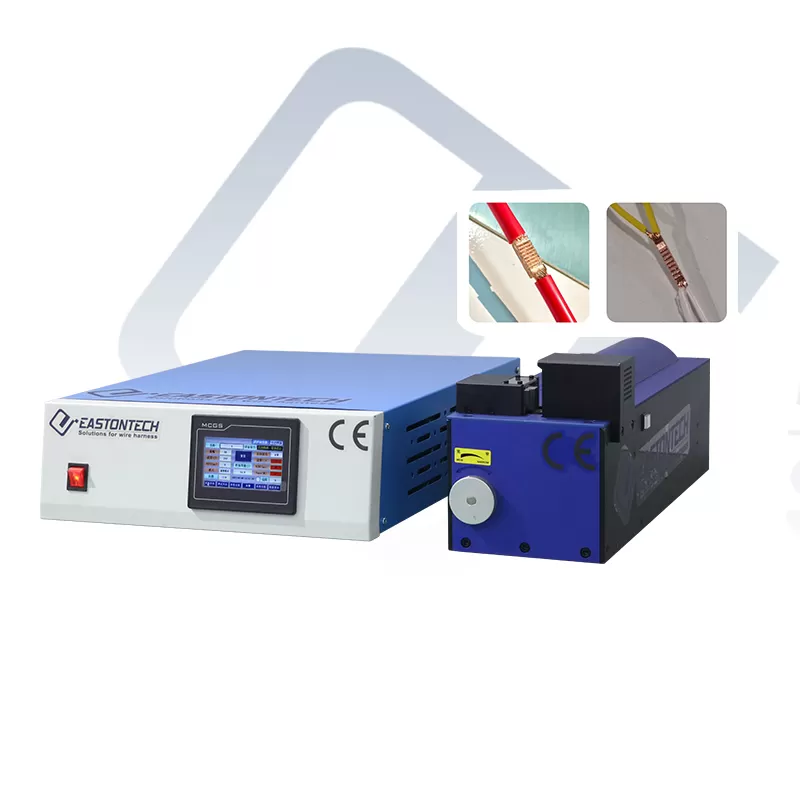
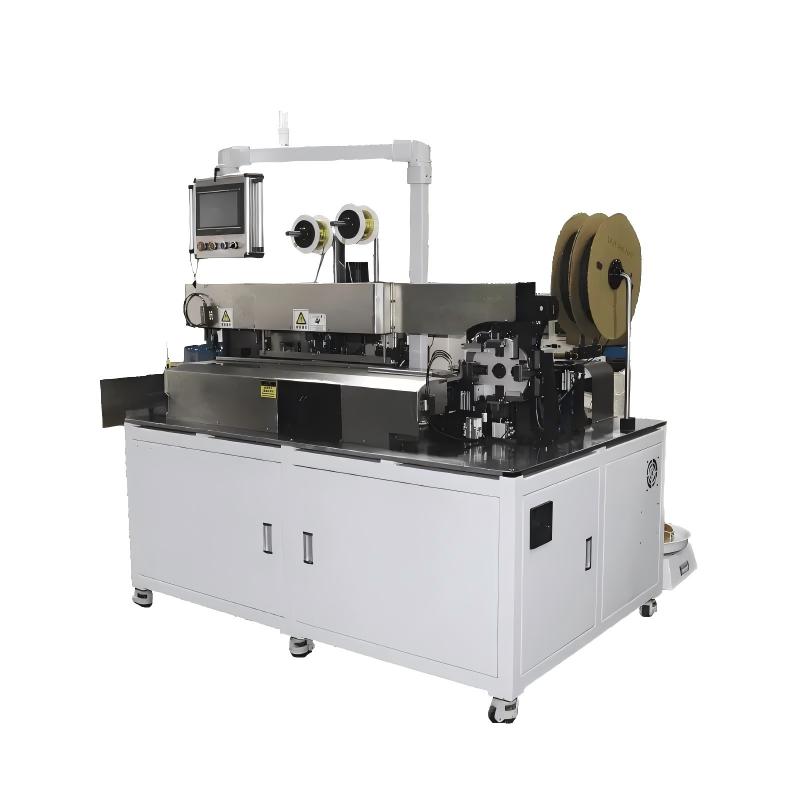
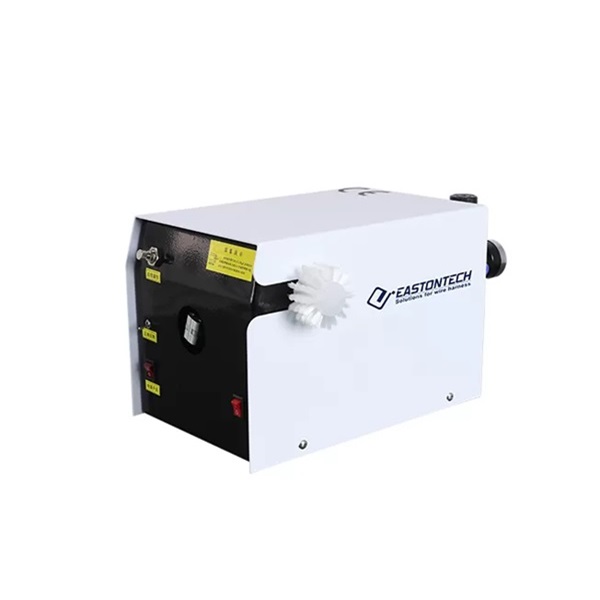
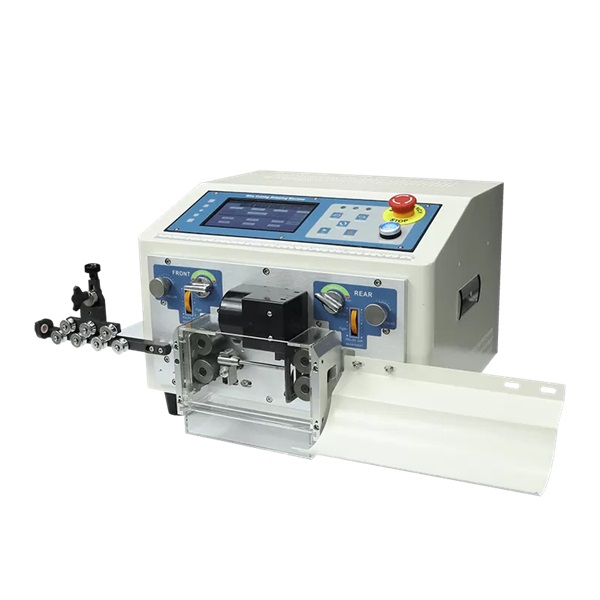
In modern wire harness and cable assembly manufacturing, efficiency and precision are no longer optional—they are essential for staying competitive. As production demands increase and labor costs continue to rise, manufacturers are rapidly shifting from manual processes to automation solutions such as wire splicing systems and specialized equipment for heavy-duty cable applications like the wire rope splicing machine.
Companies like WireHarnessMachine are driving this transformation by developing advanced automation equipment that helps factories streamline workflows, improve consistency, and significantly reduce operational costs. Whether scaling production or optimizing an existing line, understanding the impact of wire splicing machine technology is critical for long-term competitiveness.
The Hidden Costs of Manual Wire Splicing vs. Automated Solutions
At first glance, manual wire splicing may appear cost-effective due to low initial investment. However, long-term operational expenses tell a different story.
Manual processes depend heavily on skilled operators, creating a fragile production structure. When experienced workers are unavailable, production slows immediately, and quality becomes inconsistent. Small variations in technique often lead to uneven splice strength, increasing the likelihood of product failure during testing or field use.
Over time, these inconsistencies result in higher rejection rates and repeated rework cycles, both of which silently increase manufacturing expenses.
Automated splicing equipment removes much of this uncertainty by standardizing every step of the process. Each splice is executed under controlled parameters, ensuring stable quality regardless of operator experience. In demanding environments such as cable manufacturing, specialized systems for rope and industrial cables provide repeatable precision that manual methods struggle to achieve.
| Factor | Manual Process | Automated Solution |
|---|
| Labor Dependency | High | Low |
| Error Rate | Medium–High | Very Low |
| Production Speed | Slow | Fast & Stable |
| Consistency | Variable | Highly Consistent |
| Long-term Cost | High | Optimized & Reduced |
How Automation Optimizes Production Workflows in Wire Splicing Applications
Workflow inefficiency is one of the most common bottlenecks in wire processing environments. Manual splicing requires multiple sequential actions, including preparation, alignment, joining, and inspection.
Automated systems streamline this entire workflow through wire splicing machine technology by integrating these steps into a continuous process. The wire passes through a controlled mechanism that ensures alignment, pressure application, and splicing are completed in a single synchronized cycle.
In industrial environments, this automation reduces idle time between batches and minimizes variation between operators. Heavy-duty cable processing equipment further enhances efficiency by maintaining stable conditions even for high-tension materials.
Manufacturers adopting solutions from WireHarnessMachine often experience improved line balancing, fewer interruptions, and more predictable output schedules.
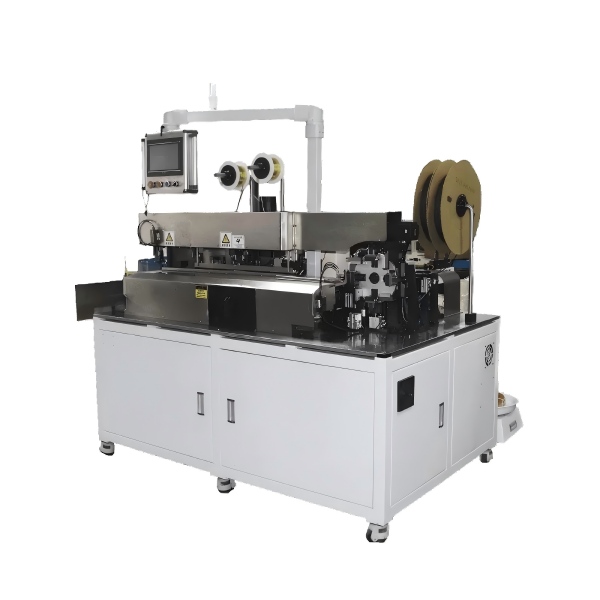
Five Ways Automation Improves Productivity in Wire Processing
The productivity benefits of a wire splicing machine become clear when examining operational improvements in daily manufacturing.
One of the most immediate advantages is reduced cycle time. Automated systems complete each splice significantly faster than manual operations.
Another major benefit is labor optimization. One operator can oversee several machines simultaneously, shifting human resources toward quality control or system monitoring.
Consistency is also greatly improved. Every splice follows identical parameters, eliminating variation that often occurs in manual production.
Automation also enhances operational continuity. Equipment can run for extended production cycles with minimal interruption.
Many modern systems can integrate with digital monitoring platforms for real-time production tracking and optimization.
Reducing Manufacturing Costs Through Automation
Cost reduction in manufacturing is not only about lowering direct expenses but also about eliminating inefficiencies throughout the entire production lifecycle.
A wire splicing machine reduces labor requirements and minimizes material waste caused by inconsistent manual handling.
Automated systems also reduce downtime by maintaining stable and predictable operation cycles, while lowering training costs since fewer specialized skills are required.
For heavy-duty cable applications, a wire rope splicing machine further improves cost efficiency by reducing failure rates in high-stress environments, helping lower warranty and replacement expenses.
Long-Term Benefits of Automation for Quality and Operational Efficiency
Beyond immediate productivity gains, long-term advantages are even more significant.
One key benefit is sustained quality stability. Manual processes naturally drift due to fatigue and workforce variation, while automation maintains fixed process parameters.
Operational independence is another advantage, reducing reliance on highly skilled labor.
Scalability is also improved. As demand increases, manufacturers can expand capacity by adding additional wire splicing machine units.
Durability and reduced downtime further strengthen long-term performance in industrial environments.
Applications Across Industries
Automated wire processing technology, especially wire splicing machine systems, is widely used across multiple sectors.
In automotive manufacturing, it supports complex wiring systems requiring high precision. In aerospace, where safety is critical, automation ensures consistent connection quality that meets strict standards.
In construction and infrastructure, a wire rope splicing machine is widely used for cranes, elevators, and suspension systems where reliability is essential.
The telecommunications and energy sectors also rely heavily on automated processing to support large-scale infrastructure development and stable long-term performance.
For manufacturers looking to improve efficiency or explore customized automation solutions for specific industries, you can contact our engineering team for technical support and recommendations.
Selecting the Right Wire Splicing Machine for Your Production Needs
Choosing the right wire splicing machine requires a clear understanding of production goals, material types, and operational requirements. One of the most important considerations is production volume. High-output factories benefit most from fully automated systems that minimize manual intervention, while smaller operations may prefer semi-automatic configurations that balance flexibility and cost.
Material type is another key factor. Standard electrical wires require different handling compared to reinforced or multi-strand cables, where a wire rope splicing machine may be more appropriate. Integration with existing production lines is also important to ensure smooth workflow continuity without requiring major restructuring.
Precision requirements vary by industry. High-tech sectors such as aerospace or medical device manufacturing often require tighter tolerances and more advanced control systems. Finally, after-sales support and long-term maintenance capability should be considered to ensure stable operation over time.
For detailed product options, you can explore.
FAQ
1. What is the main advantage of a wire splicing machine?
It improves production speed and consistency while reducing reliance on manual labor.
2. How does automation reduce manufacturing costs?
By lowering labor expenses, reducing waste, and minimizing rework and downtime.
3. What is the difference between a wire splicing machine and a wire rope splicing machine?
The rope version is designed for heavy-duty industrial cables, while standard systems handle general wire processing.
4. Can automation improve product quality?
Yes, it ensures consistent and precise processing, reducing variability and failure rates.
5. Which industries use this technology most?
Automotive, aerospace, construction, energy, and telecommunications industries.
6. How should I choose the right system?
Consider production volume, wire type, integration needs, and long-term support.
 English