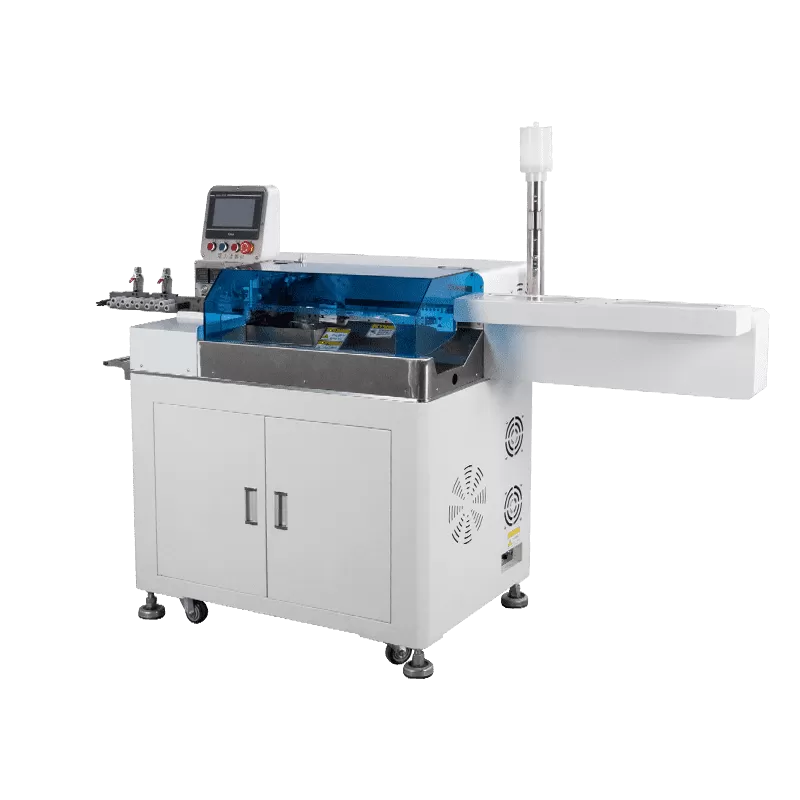
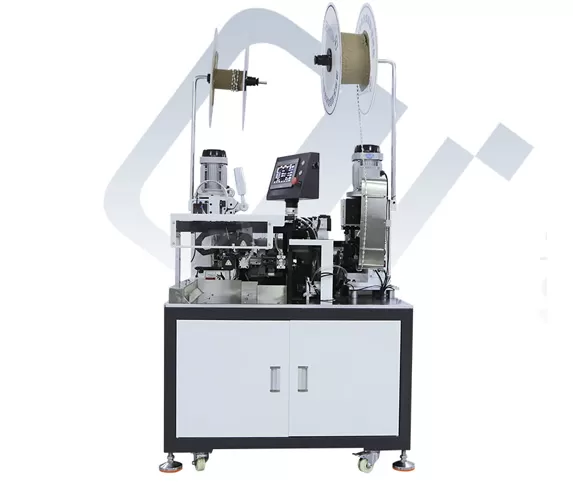
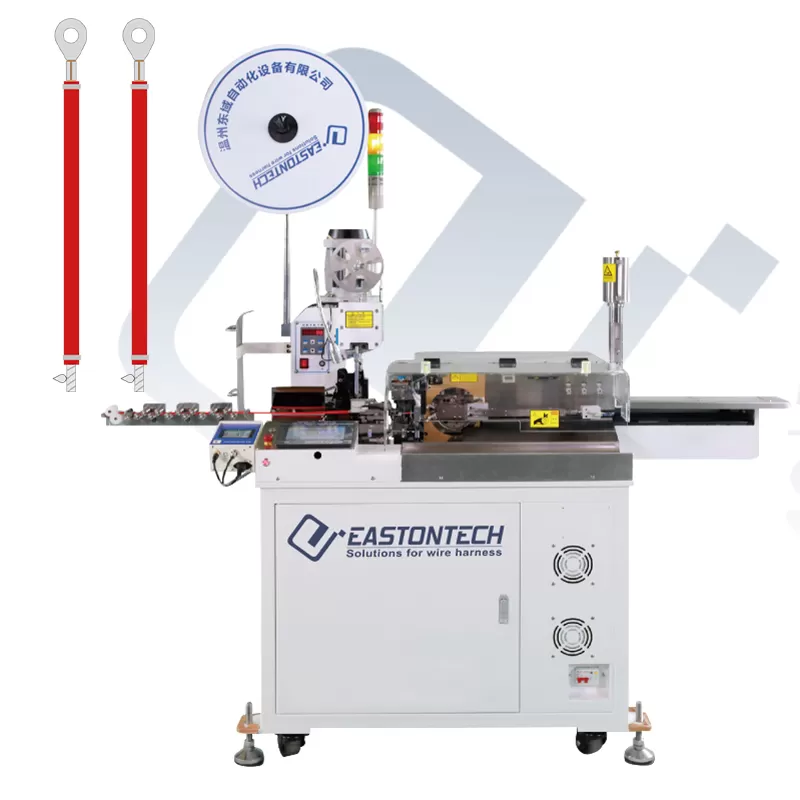
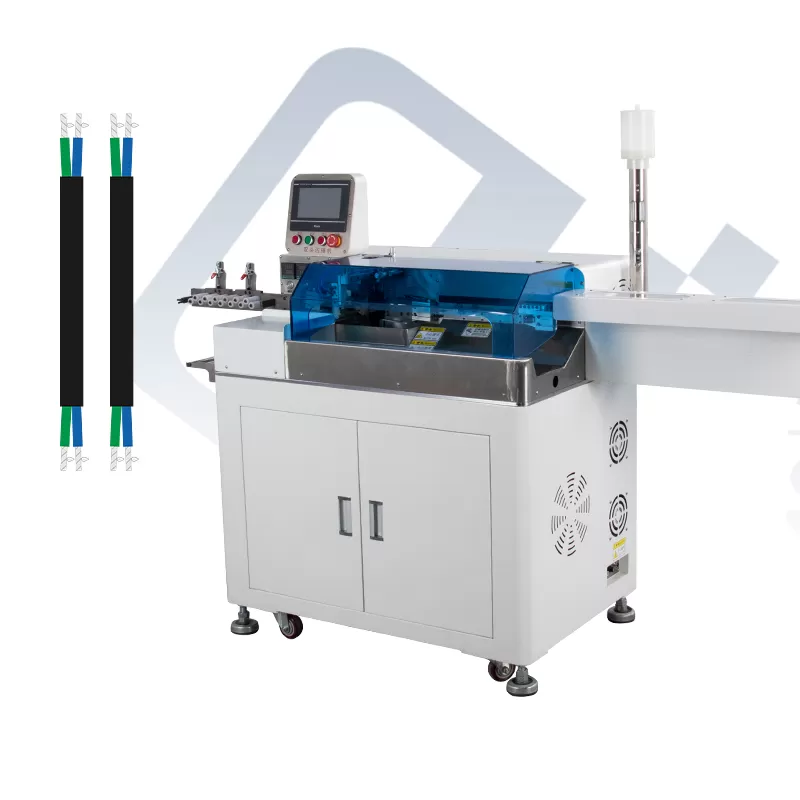
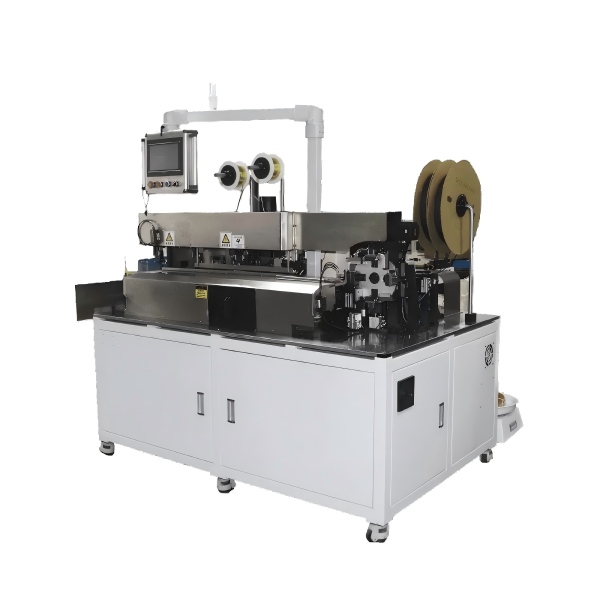
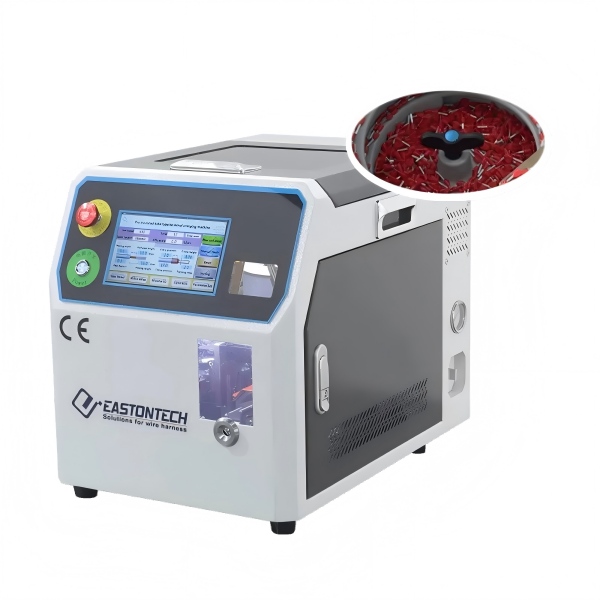
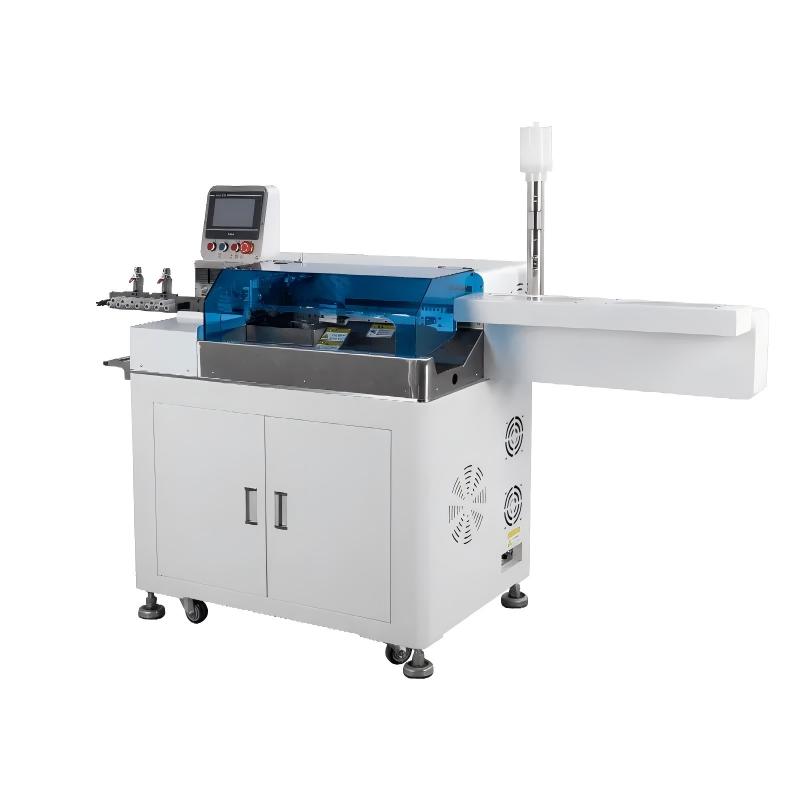
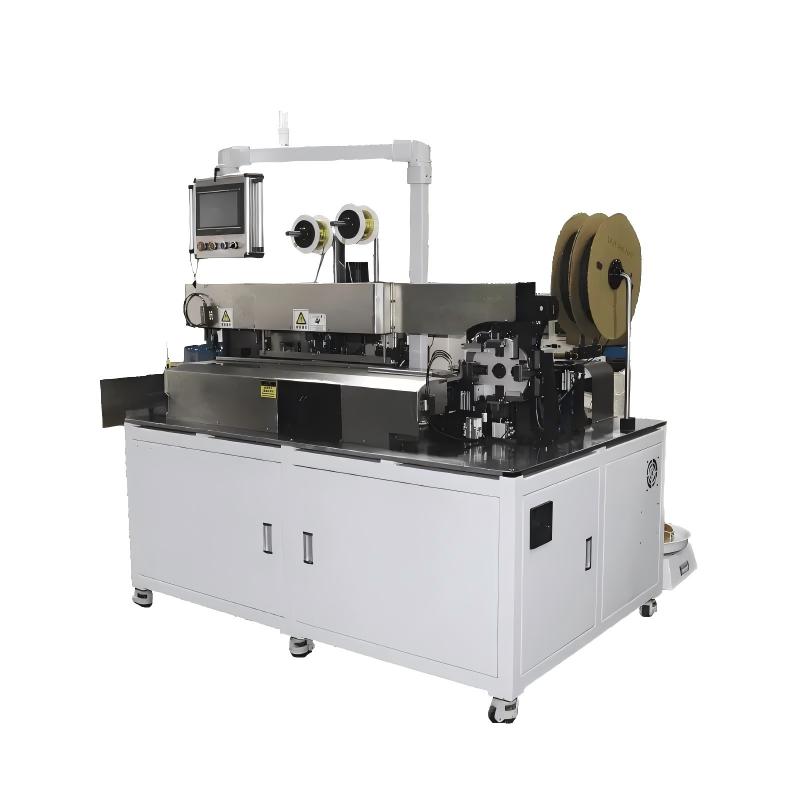
EW-22G Wire Crimping Soldering Tinning Machine
View More
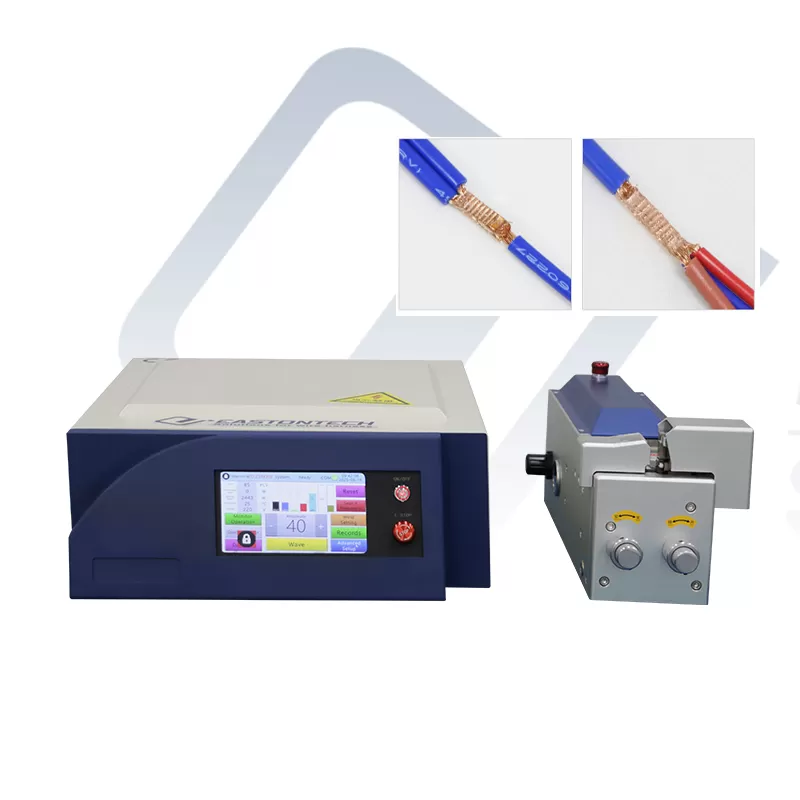
EW-6010 Ultrasonic Wire Harness Welding Machine(0.35-20mm²)
View More
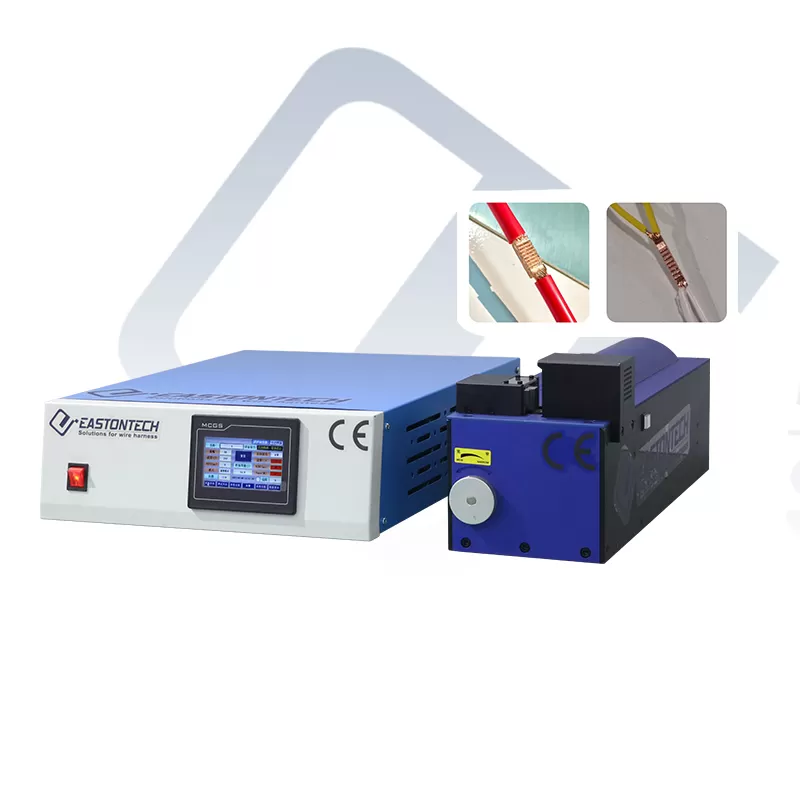
EW-6040 Ultrasonic Wire Welding Machine (0.5-20mm²)
View More
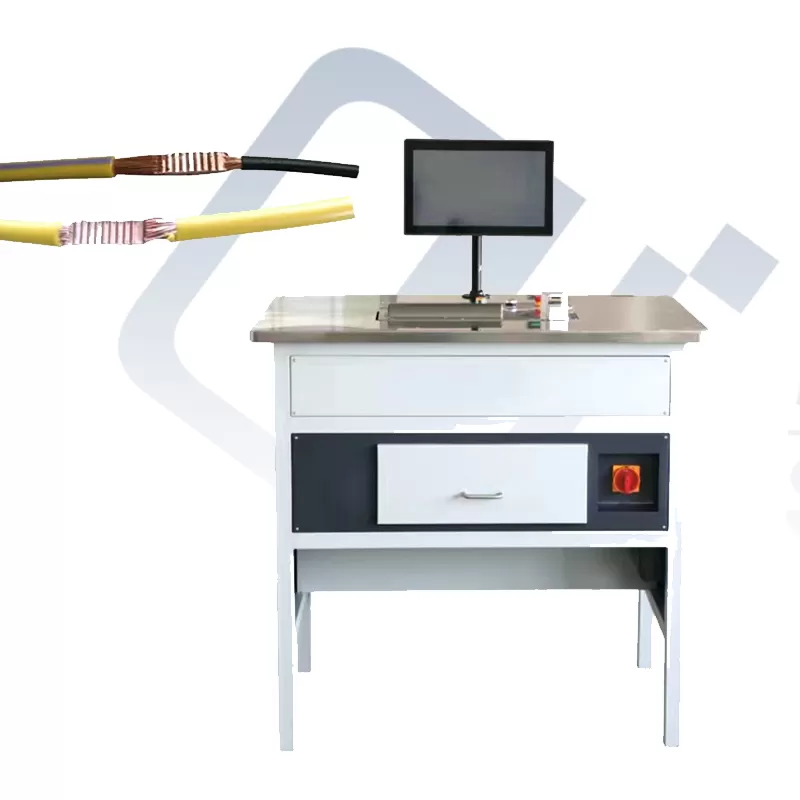
EW-6070 Ultrasonic Wire Harness Welding Machine(1-30mm²)
View More
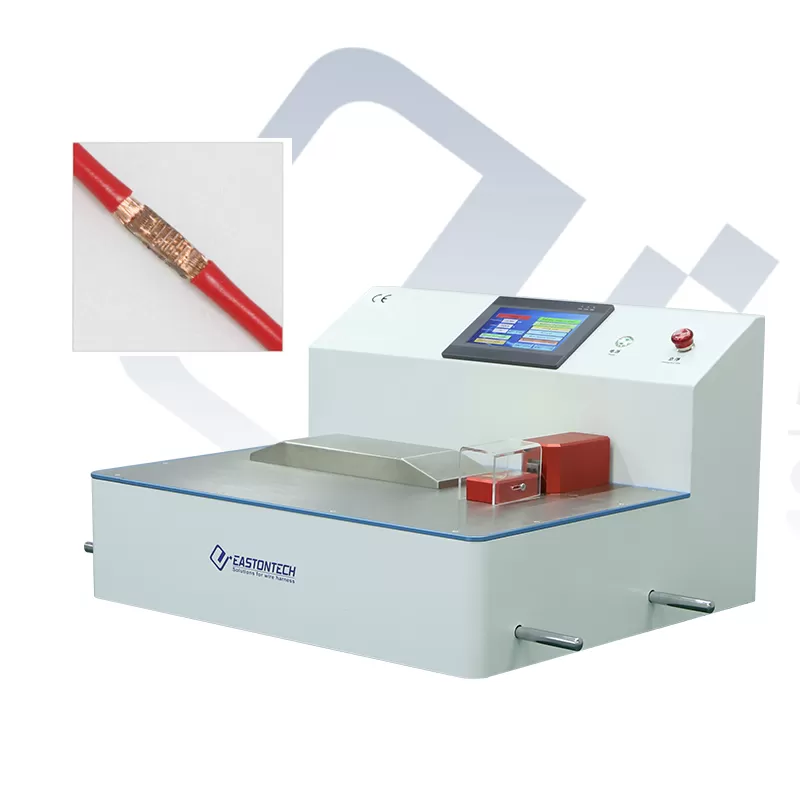
EW-6090 Ultrasonic Welding Machine(0.5-25mm²-50mm²)
View More
EW-6170 Ultrasonic Wire Harness Welding Machine(0.15-15mm²)
View More
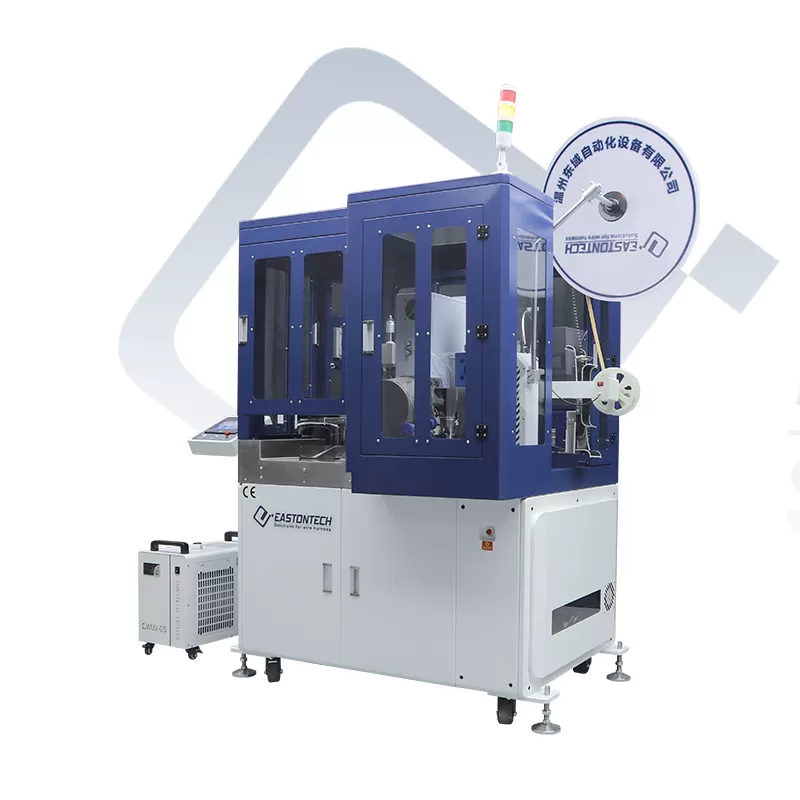
EW-7810 Fully Automatic Single-End Terminal Crimping Seal Crimping and Single-End Spot Welding Machine AWG28-AWG16
View More
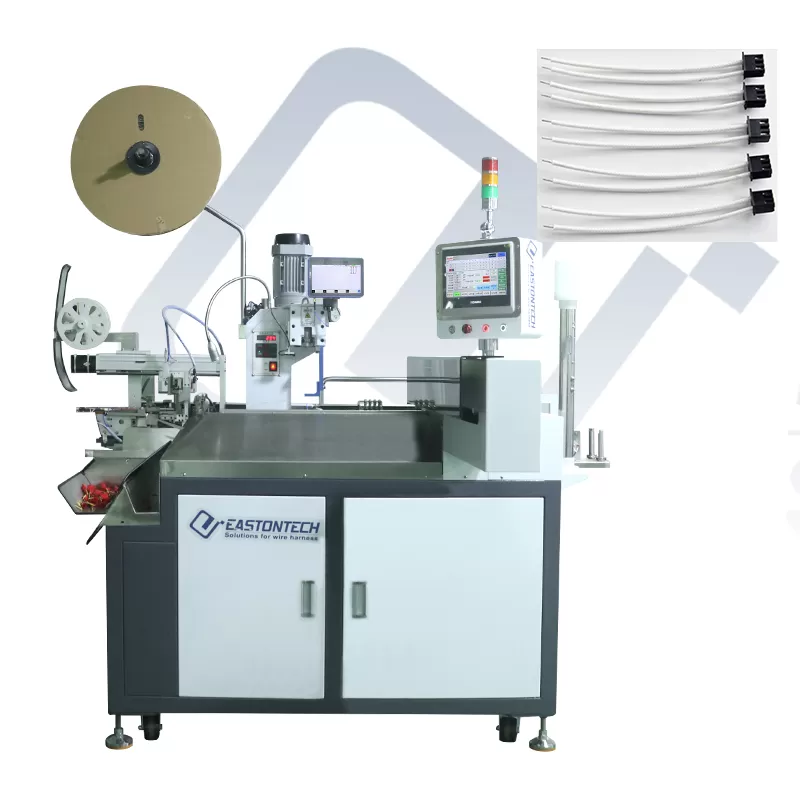
EW-8140 Automatic Single Head Crimping and Housing Insertion Another Side Tinning Machine
View More
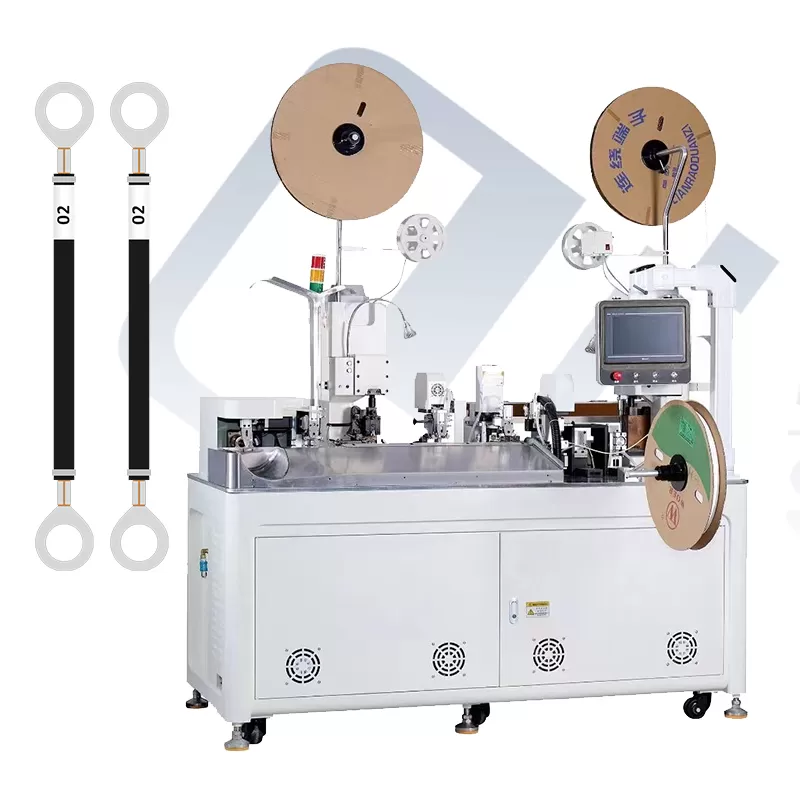
EW-8145 Fully Automatic Double Head Crimp and Single Side Insert Number Tube Machine
View More
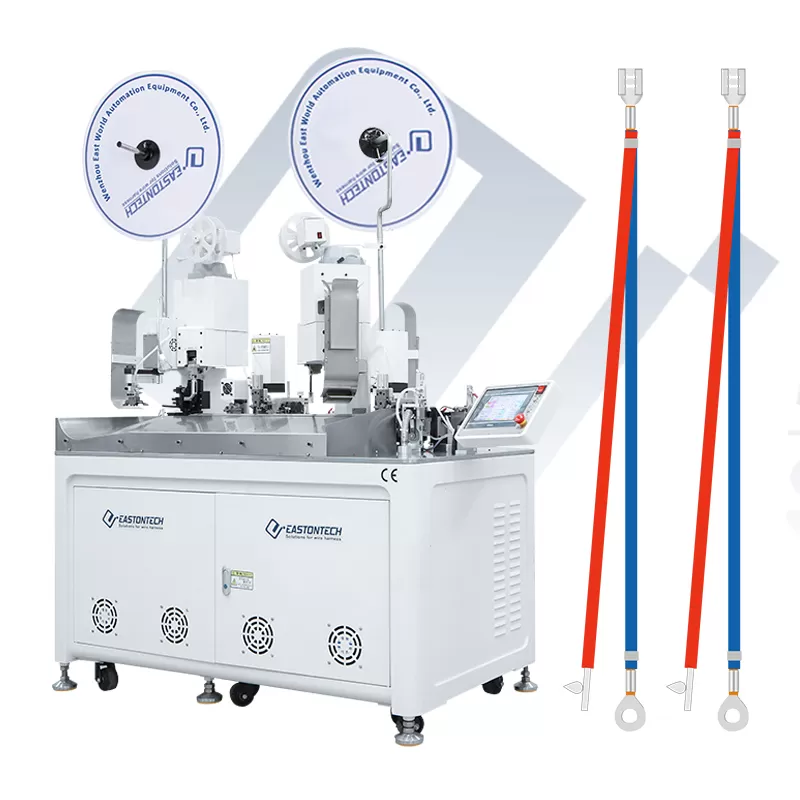
EW-8870 Fully Automatic Two Wire Joint Crimping With Single-Head Tinning Machine
View More
Selecting a wire tinning machine should be based on total cost of ownership (TCO) and cost per processed wire end, not just initial price.
Define required output (pcs/hour) based on real production needs.
Avoid running equipment at constant maximum capacity, which can affect stability and maintenance cycles.
Consider wire gauge range (AWG), conductor type (solid or stranded), and insulation characteristics.
Frequent product changeovers require machines with fast adjustment and repeatable settings.
Inconsistent tinning length or poor wetting leads directly to rework and scrap.
Machines with stable temperature and motion control typically deliver better long-term ROI than faster but less consistent alternatives.
Assess operator involvement per shift.
Higher automation reduces variability and dependency on operator skill level.
Review cleaning frequency, wear parts lifecycle, and service accessibility.
Lower downtime translates directly into improved production efficiency.
Ability to standardize and recall process parameters is critical for multi-batch production.
Reduces setup time and minimizes operator-dependent variation.
Closed-loop (PID) temperature regulation ensures stable solder bath conditions
Minimizes temperature drift, which is critical for consistent wetting performance
Supports controlled process windows for different solder alloys
Controlled immersion depth and dwell time ensure repeatable tinning length
Reduces batch-to-batch variation across different production runs
Suitable for both solid and stranded wires
Designed to integrate with upstream stripping processes for consistent exposed conductor length
Helps maintain strand integrity prior to tinning, especially for fine multi-strand wires
Adjustable flux application to ensure proper wetting without excessive residue
Easy access for cleaning and replacement to avoid contamination buildup
Robust mechanical structure ensures consistent cycle timing
Designed for continuous operation with minimal fluctuation in output quality
Clear maintenance access for solder bath cleaning and routine servicing
Thermal protection design for operator safety in high-temperature zones
Maintenance frequency depends on usage intensity and quality requirements. Monitoring slag buildup and tinning quality is more reliable than fixed time intervals.
Temperature stability, dwell time, flux control, and wire positioning accuracy are the primary factors affecting tinning quality.
Variation is usually caused by inconsistent immersion depth, unstable positioning, or cycle timing fluctuations. Proper calibration of stroke limits and clamping consistency is essential.
Common factors include insufficient temperature, inadequate flux application, or oxidized conductor surfaces. Each of these directly affects solder adhesion.
Proper pre-tinning alignment and controlled handling are required to maintain strand integrity before immersion.
Standardized parameter settings (temperature, dwell time, immersion depth) and repeatable positioning mechanisms are key to maintaining consistency.
We want to help you find the best option for your business. Tell us your needs by filling out the form below and we will contact you as soon as possible!